H. G. Wells Quotes
I would as soon go to live in a pen in a stockyard as into American politics
H. G. [Herbert George] Wells, 1866-1945, English Writer, Historian and Political Philosopher, Comment after visiting Chicago, Quoted in Norman Thomas & Paul Blanchard, What’s Wrong with New York
Sourced by: Eigen's Political and Historical Quotations


The line was delivered by actor Robin Williams.

Blair had just led his party to its third successive election win—a new record for that party. Galloway, had campaigned against Blair and the Labor Party and had beaten the Labour MP in his district which was predominantly Muslim and had been vehemently opposed to the Iraq War.

Grant was so disgusted by Johnson’s performance and pandering to the former slave owners of the South that he ran for the presidency and became Johnson’s successor.

Referring to Senator Joseph R. McCarthy:


The money comparison refers to Gresham's Law. See Thomas Gresham.


The House Majority Leader Tom Delay, with a history of ethics violations, got caught in some very serious ones and convinced the House majority leadership to change the rules of the Ethics Committee to prevent the minority from initiating any investigations or inquiries. The Ethics Committee was the only House committee that has an equal number of majority and minority members and before this change, either side would initiate an inquiry.

When Britain and America invaded Iraq and toppled the Saddam government, massive looting broke out. Britain and America were criticized by some for not protecting museums, government buildings and other targets of the looters, blaming the coalition for not maintaining law and order. Kilroy-Silk and others disagreed and blamed the looters primarily.


Kerry had just finished a formal presentation, and thought that the microphones he was wearing had all been removed. Some opponents accuse him of knowing that he was overheard by live mikes.

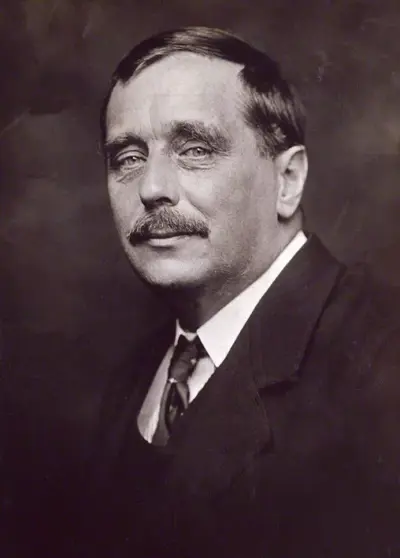
Herbert George Wells —known as H. G. Wells—was a prolific English writer in many genres, including the novel, history, politics, social commentary, and textbooks and rules for war games. Wells is now best remembered for his science fiction novels and is called a "father of science fiction", along with Jules Verne and Hugo Gernsback.[a] His most notable science fiction works include The Time Machine (1895), The Island of Doctor Moreau (1896), The Invisible Man (1897), and The War of the Worlds (1898). He was nominated for the Nobel Prize in Literature four times.
