William Shakespeare Quotes
Tis gold Which buys admittance--oft it doth--yea, and makes Diana's rangers false themselves, yield up This deer to th' stand o' th' stealer: and 'tis gold Which makes the true man kill'd and saves the thief, Nay, sometimes hangs both thief and true man.
Shakespeare, William. Cymbeline. Simon & Schuster, 2003.


What is fascinating about this quotation is that although the head of a religion, Smith was not advocating the kinds of personal lifestyles of his church the way modern religious leaders do, but was concerned with the much larger issues of expansionism, corruption of the courts and judiciary, and land distribution. He was a classic reform candidate in that sense. Smith had written to most of the then likely Presidential candidates of both major parties asking for their position on the Mormons who were facing persecution wherever they went. None of the politicians would make any satisfactory commitments. Smith took Direct Action and became the only major religious official to have run for the Presidency of the United States until Pat Robertson tried and failed in 2000. Smith’s assassination shortly thereafter cut his run for the Presidency short before it made much headway and politically he had no chance to affect the race.

Clark, after becoming one of the richest men in America, wanted to go into National Politics, but most people hated him so he could never win elected office. At the time, Montana selected their Senators by a vote of the State Legislature. So Clark bribed enough members of the legislature to become the Senator. However, the bribery scheme became a public scandal and the Senate refused to seat him. So the legislature had another vote in the next legislative session and Clark won again, and that time no one had the evidence of the bribes. But then, more about Clark became known, and he just served the one term.

This quotation so impressed Thomas Jefferson that he wrote it in his Commonplace Book.


Jefferson was one of the early observers that the the institution of slavery corrupted and depraved the whites.


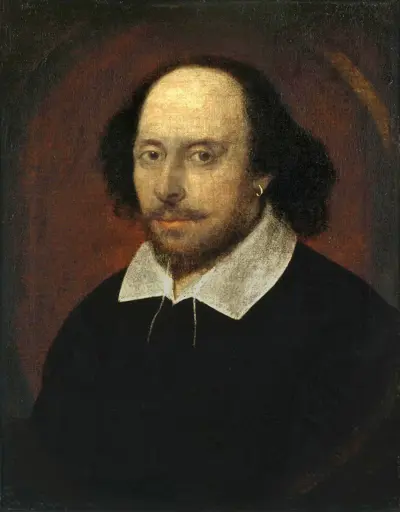
William Shakespeare was an English playwright, poet, and actor, widely regarded as the greatest writer in the English language and the world's greatest dramatist. He is often called England's national poet and the "Bard of Avon" (or simply "the Bard"). His extant works, including collaborations, consist of some 39 plays, 154 sonnets, three long narrative poems, and a few other verses, some of uncertain authorship. His plays have been translated into every major living language and are performed more often than those of any other playwright. They also continue to be studied and reinterpreted.
