Mario Puzo Quotes
A lawyer with his briefcase can steal more than a hundred men with guns.
Puzo, Mario. The Godfather. G. P. Putnam's Sons, 1969, p. 53.


At the fall of the Soviet Union, the sell off of much of the state assets to private enterprise fell into the control of a few, so called oligarchs. Many of these looted the enterprises that they controlled. None the less, they were considered leading citizens and many were politicians.


This is a common rejoinder of third world country leaders to accusations of Western democracies about corruption. And doubtless it is true. However temptation has never been a good defense of improper behavior.


Here is another example of “the good old days” phenomenon. Similar complaints are made in most generations about most vices.


Clark, after becoming one of the richest men in America, wanted to go into National Politics, but most people hated him so he could never win elected office. At the time, Montana selected their Senators by a vote of the State Legislature. So Clark bribed enough members of the legislature to become the Senator. However, the bribery scheme became a public scandal and the Senate refused to seat him. So the legislature had another vote in the next legislative session and Clark won again, and that time no one had the evidence of the bribes. But then, more about Clark became known, and he just served the one term.
O, you anarchic scum, you cowardly murderers, you leeches upon honest labor, you midnight assassins!
Otis and his paper were virulently anti-labor. See {617172} .

He was addressing the technique of the Special Prosecutor who had been appointed to investigate the relationship between the Donald Trump presidentical campaign and the Russian interference with the 2016 Presidential Campaign


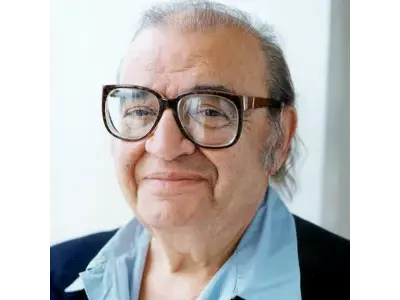
Mario Gianluigi Puzo was an American author, screenwriter, and journalist. He is known for his crime novels about the Italian-American Mafia and Sicilian Mafia, most notably The Godfather (1969), which he later co-adapted into a film trilogy directed by Francis Ford Coppola. He received the Academy Award for Best Adapted Screenplay for the first film in 1972 and for Part II in 1974. Puzo also wrote the original screenplay for the 1978 Superman film and its 1980 sequel. His final novel, The Family, was released posthumously in 2001.
