Will Cuppy Quotes
Three million alligators were killed in Florida between 1880 and 1900. Goody!
Cuppy, Will. How to Become Extinct. Farrar & Rinehart, 1941, p. 109.


By 2009 there were over 150,000 Burmese pythons in Florida. A few had escaped and they have multiplied in the climate of Southern Florida.


Large wagon trains of settlers crossed the content on their way to the Oregon Territory. The Sioux Indians whose land the wagon trains had to pass through often attacked the wagon trains in a vain effort to discourage others from passing through the area. The Sioux believed that the large wagon trains frightened the buffalo away, which was probably not a significant factor in the diminishing of the buffalo herds. The Indians and white hunters both over-hunted the buffalo which became few in numbers. With modern wildlife management Buffalo are not only back but are plentiful and being raised for their lean meat which has become a delicacy.

Opposing hunting restrictions to protect endangered species, federal control of lands and welfare:

New thinking regarding some endangered species calls for relocating the surviving members of the specie to a location more hospitable to survival of the species and where they animals will come into less conflict with man and development.


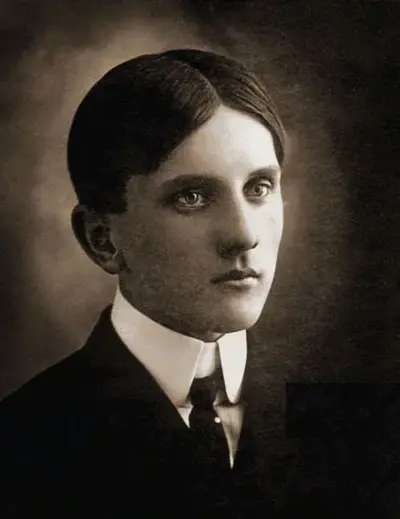
William Jacob Cuppy was an American humorist and literary critic, known for his satirical books about nature and historical figures. Writing funny but factual magazine articles was Cuppy's real talent. He enjoyed a brief success in 1933 with a humorous talk show on NBC radio with actress and gourmet cook Jeanne Owen, but failed to capitalize on it. His best-known work, a satire on history called The Decline and Fall of Practically Everybody, was unfinished when he died. It was completed and published in 1950 by his friend Fred Feldkamp, who sifted through nearly 15,000 of Cuppy's carefully filed note cards to get the book into print. Feldkamp also edited a second posthumous volume, a comic almanac titled How to Get from January to December, that appeared in 1951.
