Koxinga Quotes
This island was the dominion of my father and should descend to none other than myself. Foreigners must go.
Koxinga, 1624–1662, [Zheng Chenggong], Chinese Military Leader, Chief commander of the Ming Dynasty troops on the maritime front, Referring to the island of Formosa (now Taiwan) which was controlled by the Dutch, Quoted in James Wheeler Davidson, The island of Formosa, past and present: History, people, resources, and commercial prospects. Tea, camphor, sugar, gold, coal, sculpture, economical plants, and other productions, 1903
Sourced by: Eigen's Political and Historical Quotations

Koxinga had an overwhelmingly superior force, and wanted the Dutch to surrender and avoid bloodshed. The Dutch with their typical European colonial attitude, had great difficulty surrendering to “natives” even if outnumbered. Finally, the Dutch Commander agreed to surrender. Koxinga then established a Chinese Government on the Island and became a great hero of the Ming Dynasty. Note the graphic of the statue to him which is one of the very few Chinese memorial statues to a military hero showing him in action—very similar to European statues.
Koxinga had an overwhelmingly superior force, and wanted the Dutch to surrender and avoid bloodshed. The Dutch with their typical European colonial attitude, had great difficulty surrendering to “natives” even if outnumbered. Finally, the Dutch Commander agreed to surrender. Koxinga then established a Chinese Government on the Island and became a great hero of the Ming Dynasty. Note the graphic of the statue to him which is one of the very few Chinese memorial statues to a military hero showing him in action—very similar to European statues. Already Koxinga’s massed wooden junks with small cannon and fire torches had sunk one of the Dutch warships (they were not iron but had some iron plates on the deck to protect the gunners) and there were so many junks that the other Dutch ships sailed out to sea to avoid the Chinese huge number of junks.


Czechoslovakia resembles America because

He was a poor governor in general and was fired and replaced by the Dutch East India Company which was a happy occurrence for the colonists. The company was a money making institution and depended on colonists who would farm, trade and manufacture. If they were unhappy, the company would not profit. They would not have minded a tyrant if he could produce profits as some did in the Dutch East Indies, but Kieft was a loser on all counts.


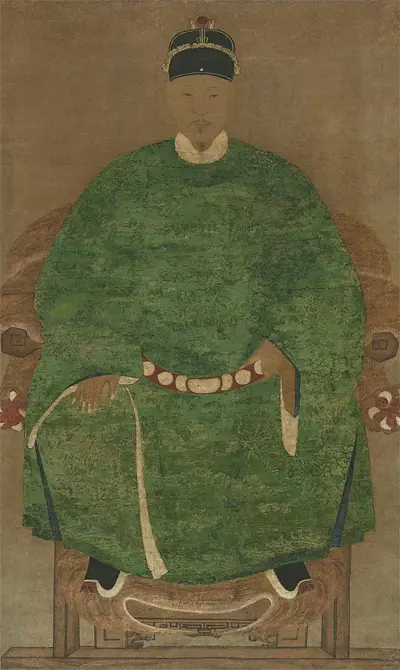
Zheng Chenggong, Prince of Yanping, better known internationally by his Dutch-Romanised Hokkien honorific Koxinga or Coxinga (Chinese: 國姓爺; pinyin: Guóxìngyé; Pe̍h-ōe-jī: Kok-sèng-iâ), was a Chinese Ming loyalist who resisted the Qing conquest of China in the 17th century, fighting them on China's southeastern coast.
