Richard N. Haass Quotes
There's a pattern in Bush 43's presidency of being attracted to the big and the bold, and my whole reading of him is that he was instinctively uncomfortable with what you might call a modulated foreign policy - a foreign policy of adjustment, of degree.


Commenting on the problem for a democratic leader dealing with a dictator in an international crisis:


Bush adopted a foreign policy of unilateralism which was offensive to and resented by most of the foreign countries with whom we had good relations. Many people thought it would take years to repair the damage, but President Obama and Secretary of State Hillary Clinton were able to turn the situation around in a few years. The George W. Bush administration, in contrast to his father’s administration, was considered an aberration in American foreign policy by most countries.

The Canadians chose not to join the United States efforts to develop and test a missile-defense system, the first tests of which had gone poorly.


While this probably was a slip of the tongue, President Bush and governor Perry both had civil right and individual had rights as a lower priority than a individual responsibility, strong growth economy or the military. There were many who really believed that the two men really thought excessive personal reedom a problem that people and the government must be protected from, like freedom for a woman to choose an abortion. For Perry in particular many thought that if this was a slip of the tounge, it was likely a Freudian slip as it what he really wants.


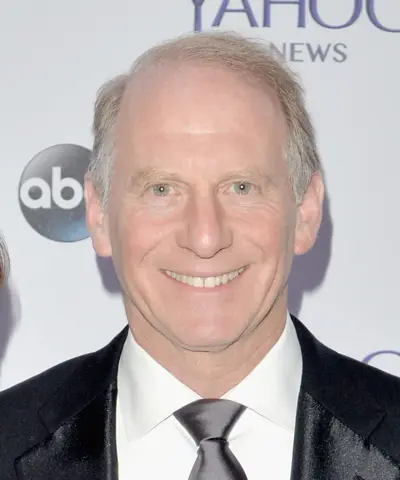
Richard Nathan Haass is an American diplomat. He has been president of the Council on Foreign Relations since July 2003, prior to which he was Director of Policy Planning for the United States Department of State and a close advisor to Secretary of State Colin Powell.
