Felix Adler Quotes
There should be a 100% income tax in incomes above the amount needed to supply all the comforts and true refinements of life.
Felix Adler, 1851-1933, Historian, Political Philosopher, and Social Reformer, Founder, The Ethical Culture Society and also The National Child Labor Committee, Quoted in John Steele Gordon, Hamilton’s Blessing, 1997
Sourced by: Eigen's Political and Historical Quotations


An income tax had been instituted during the Civil War but had lapsed. Existing taxes were all excise or head taxes—very regressive. Later there was a political movement to bring back the income tax with the intention of taxing all income equally. There was a titanic struggle which culminated in a Constitutional Amendment allowing the income tax. None of the original politicians, for or against, the income tax could never imagine an income tax that would charge lower rates for investment income. That was the entire purpose of the income tax at the beginning—to tax investment (unearned) income. The “capital gains tax” was the creative way of the rich getting back some of what they thought the lost when the income tax was instituted.

At the beginning of the First World War the senator called for surplus profits taxes on business to finance the war effort. President Wilson preferred bond financing and the business community castigated the Senator for not supporting the President's position. Later, when Wilson adopted the senator's view and called for additional taxes:


Even on Medieval days in Europe, the wealthy barons paid lower tax rates that their lowest peasants. Relief from taxes was one of the privileges of the very rich. The practice has been made more cosmetic, but the result seems to have been the same into the 21st century.


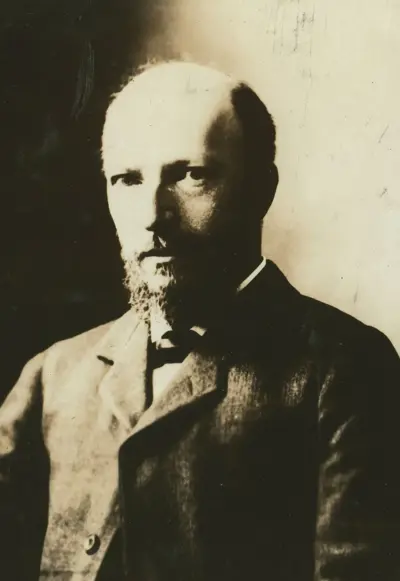
Felix Adler was a German American professor of political and social ethics, rationalist, influential lecturer on euthanasia, religious leader and social reformer who founded the Ethical Culture movement.
