E. M. Forster Quotes
There lies at the back of every creed something terrible and hard for which the worshipper may one day be required to suffer.
E. M. Forster, 1879-1970, English Novelist, Two Cheers For Democracy, 1951
Sourced by: Eigen's Political and Historical Quotations


Madison was a deist, but was firm that religion was to be an individual matter and not an area in which the state ought be involced.


Philip II, by this statement, and his subsequent behavior, made a major step forward in France for the separation of church and state. Previously, French kings played a major part in the selection of the bishops and other high clerics of the realm. Phillip ceased that type of interference. He did however, close down a religious commune for misbehavior, but that was at the request of both the church and civil authorities. See {617074} . The religious authorities at the time were delighted with this form of separation of church and state, but they were adamant that their church should be able to influence the monarchy and laws of the realm. In contrast today, the Chinese government does not allow any religion to interfere with the operation of the government, but insists that the Dali Lama and the Bishops of the Catholic church can only be appointed with their approval. Separation of church and state is a two way phenomenon.


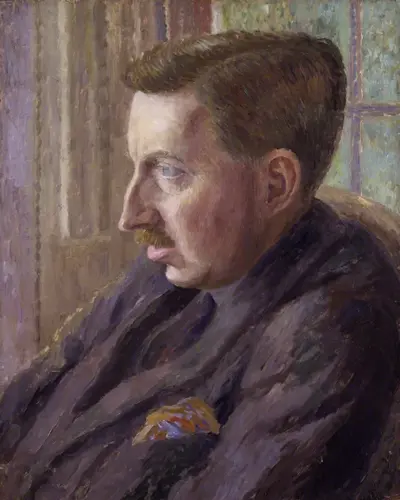
Edward Morgan Forster OM CH was an English fiction writer, essayist and librettist. Many of his novels examine class difference and hypocrisy, including A Room with a View (1908), Howards End (1910) and A Passage to India (1924). The last brought him his greatest success. He was nominated for the Nobel Prize in Literature in 16 separate years.
