Edward Gibbon Quotes
There is nothing perhaps more adverse to nature and reason than to hold in obedience remote countries and foreign nations, in opposition to their inclination and interest.
Gibbon, Edward. The History of the Decline and Fall of the Roman Empire. Vol. 5, W. Strahan and T. Cadell, 1788.


Executed by the English for his part in the Easter Uprising. He was criticizing his fellow Irish. During the English conquest, Gaelic was often prohibited and almost totally disappeared. Since independence there have been various movements to revitalize the old Gaelic language but this have not gotten very far.


Chile with help from San Martin had ejected the Spanish. O’Higgins, the Chilean leader had joined up with San Martin and served under his command. The sectional rivalry bothered men like Carrera. Instead of seeing all the South Americans fighting the Spanish as allies as O’Higgins did, Carrera and his brothers refused to join a government of unity and they and their troops were just as dictatorial and cruel as the Spanish had been. O’Higgins gave Indians and Blacks equal rights with whites which distressed the aristocratic Carrera’s. Finally the Carrera’s tried to set up their own government, and the new Chilean government disarmed their militia and executed two of the three Carrera brothers who were leading the militia troops who were little more than thieves and brigands.


The strong American instinct toward unilateralism, narrowly defined self-interest, and operating under the banner of the United Nations has its traditional roots.


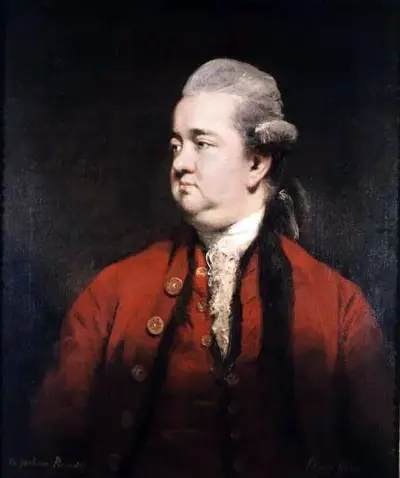
Edward Gibbon FRS was an English historian, writer and Member of Parliament. His most important work, The History of the Decline and Fall of the Roman Empire, was published in six volumes between 1776 and 1788 and is known for the quality and irony of its prose, its use of primary sources, and its polemical criticism of organised religion.
