Peter T. King Quotes
There is an obligation both moral, but also legal, I believe, against a reporter disclosing something which would so severely compromise national security.
King, Peter T. Interview by Anderson Cooper. Anderson Cooper 360 Degrees, CNN, 11 June 2013.


At the time Jay was engaged in secret counterintelligence operations in upstate New York and some material had been leaked by members of the Congress.


This is the doctrine which allows the government to in effect quash any lawsuit which it claims will disclose any national secrets. This protects information that if released would harm the country or its security posture. At the same time, it allows an administration to terminate embarrassing lawsuits or ones that might uncover government illegality, by claiming that there will be damage to the nation. It is often difficult to separate damage to the nation from damage to a particular administration and government.


Chelsea Elizabeth Manning

There are many things about our enemies which they know that we know which are still kept classified because it would be embarrassing for the government, a previous administration or to an agency to reveal it. There are some documents that are classified even thought the enemy knows we have the information because if the document were released the enemy might find out the sources of the information which they do not know. However often they know that too. Potential embarrassment and scandal are the main reasons for keepingthings that the enemy knoews we know secret.


The TPP was the first Trade Agreement that had ever been classified as “Secret” when it was being negotiated. This was one of the most hotly debated policies of the era. Even Congress could not get a look at what was being negotiated although the Senate would have to ratify it when finished for it to become effective. .On the surface, it is outrageous that a non-military or defense activity should be secret in a democracy. What could be wrong with the Congress and the public being aware of a trade negotiation while it was being formulated and negotiated? Kirk and other apologists for the secrecy policy argue that because of the trade-off relationships among different clauses and facets of a trade treaty, there are many proposals that are made just to initiate a bargaining position, and the negotiators themselves neither expect nor intend those proposals to be a part of the final treaty. To then have groups of Americans get upset and start a lobbying position against a treaty when what they object to is not ever going to be in the treaty poisons in the public mind the entire treaty which then could be killed for something that was never real to begin with. A similar thing happened with the Obamacare legislation. Congress drafted the various clauses and many were included as part of the bargaining process or misunderstood because of poor first drafting. Opposition to those clauses set a tone of animosity against the bill as a whole. After the bill was passed, the clauses that were most unpopular or misinterpreted were the main reason that citizens gave for opposing Obamacare even though they were not in the legislation. Advocates of secrecy point out that the original Constitutional Convention was entirely secret with all the delegates agreeing that if each and every proposal that was debated were public, there would develop so much opposition that the result could never be ratified later. Yet it is hard to argue against transparency of government processes in a democracy.

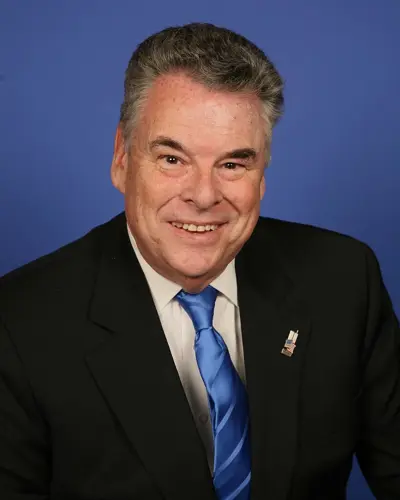
Peter Thomas King is a former American politician who represented New York in the U.S. House of Representatives from 1993 to 2021. He represented a South Shore Long Island district that includes parts of Nassau County and Suffolk County and was numbered as the 3rd and later the 2nd district.
