Joseph Fiennes Quotes
There is a bit of me if I'm pushed in one way I might bounce back and go the opposite.
Hattenstone, Simon. "The accidental heart-throb." The Guardian, 3 Apr. 1999.


Grant’s overall strategy of attrition of the Southern troops and interdicting supplies and targeting Southern manufacturing and transportation was taking its toll and the Confederates tried a desperate gamble. Robert E. Lee’s tried to attack the Union in the North—Pennsylvania and Maryland threatening Washington and hoping to force the Union to sue for peace. But that left the Eastern part of the Southern heartland relatively undefended. Grant and Sherman, noting the opportunity, then sent Sherman to take Atlanta and destroy all the factories, railroads, and warehouses of food, arms and munitions, then march to the sea and back up the Atlantic Seaboard, freeing slaves and destroying anything and everything that could support an Army and putting enormous pressure on the Southern men fighting with Lee to return home and prevent starvation as there were now few slaves to work the farms. It was the stroke that, as intended, crippled the Confederacy’s ability to wage war. But Grant and Sherman both credited the Southern strategy with opening the opportunity—hence it was the Confederacy that “planned” Sherman’s March. The details of the plan were worked out by Sherman and his staff.


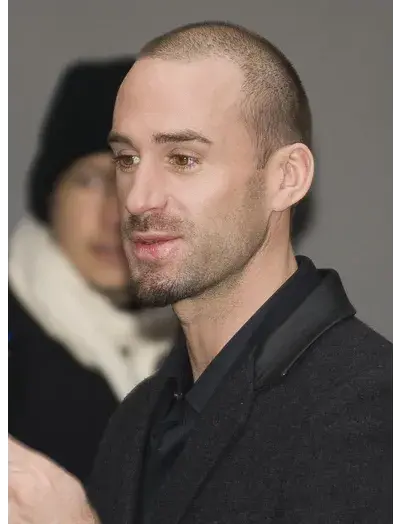
Joseph Alberic Twisleton-Wykeham-Fiennes, known as Joseph Fiennes, is an English film and stage actor. He is known for his portrayals of William Shakespeare in Shakespeare in Love (1998), for which he was nominated for the BAFTA Award for Best Actor in a Leading Role and the Screen Actors Guild Award for Outstanding Performance by a Male Actor in a Leading Role, Sir Robert Dudley in Elizabeth (1998), Commisar Danilov in Enemy at the Gates (2001), and Monsignor Timothy Howard in the second season of the TV series American Horror Story (2012–2013). His role in the 2017 TV drama series The Handmaid's Tale was nominated for the Primetime Emmy Award for Outstanding Supporting Actor in a Drama Series.
