M. S. Swaminathan Quotes
There are two major challenges before Indian agriculture today: ecological and economical. The conservation of our basic agricultural assets such as land, water, and biodiversity is a major challenge. How to make agriculture sustainable is the challenge.
Swaminathan, M. S. From Green to Evergreen Revolution: Indian Agriculture: Performance and Emerging Challenges. Academic Foundation, 2010, p. 55.


This quotation is historically important because it documents the radical change in agriculture that technology brought on. In this period it was steam power. There were steam powered tractors in addition to what he enumerated. The production cost and hence the prices of agricultural products became much lower increasing the standard of living for all consumers. However, the small farmer, without capitol and the scale of a large enough farm, was put in a position in that he could not compete with the major products of agriculture without huge investment in capital equipment and large enough farms. While many went out of business, many others shifted to specialized crops and raising animals where the automation was not as necessary. This process has been on going in American agriculture since the invention of mechanized farm implements, and the small farmer has gradually become more rare. But the process has been ongoing throughout American history.

This was the origin of the term “Green Revolution”


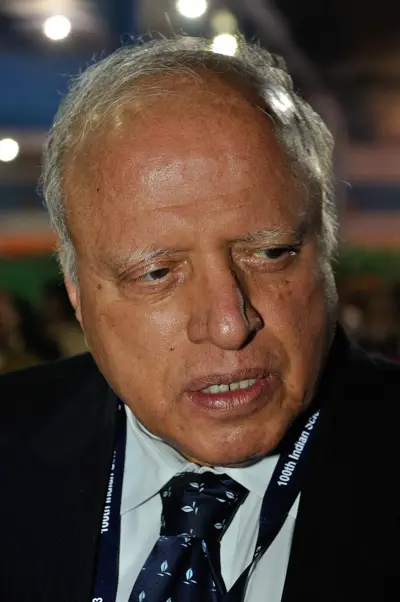
Mankombu Sambasivan Swaminathan is an Indian geneticist and administrator, known for his role in India's Green Revolution, a program under which high-yield varieties of wheat and rice were planted. Swaminathan has been called the "Father of Green Revolution in India" for his role in introducing and further developing high-yielding varieties of wheat in India. He is the founder of the MS Swaminathan Research Foundation. His stated vision is to rid the world of hunger and poverty. Swaminathan is an advocate of moving India to sustainable development, especially using environmentally sustainable agriculture, sustainable food security and the preservation of biodiversity, which he calls an "evergreen revolution."
