Alan S. Blinder Quotes
The Industrial Revolution did not spell the end of agriculture, or even the end of food production, in the United States. It just meant that a much smaller percentage of Americans had to work on farms to feed the population.
Alan S. Blinder, Member, White House Council of Economics Advisors, “Offshoring: The Next Industrial Revolution,” Foreign Affairs March/April 2005-2006
Sourced by: Eigen's Political and Historical Quotations


While this was somewhat hyperbolic at the time, it became true during the century.

One steam engine, pulling a large plow by cables and manned by 5 or 6 workers could do the work of 20 horse drawn plows each requiring 1 worker. In addition all the workers who were needed to maintain the horses and clean up after them were also no longer required.


From a technical and production point of view, there is no practical limit to population size that is imposed by food production. We can produce sufficient food for the world even if population increases dramatically. None the less, even today we have some starvation and much malnutrition problems. These however are political, economic and tend to be distributional. We can produce the food. Morris does NOT advocate large population growth. Although food need not be a problem with an expanding population, job availability, medical care, energy, land, natural resources, ethnic hatred, migration, violence, and other problems are produced by population growth.

This was the origin of the term “Green Revolution”


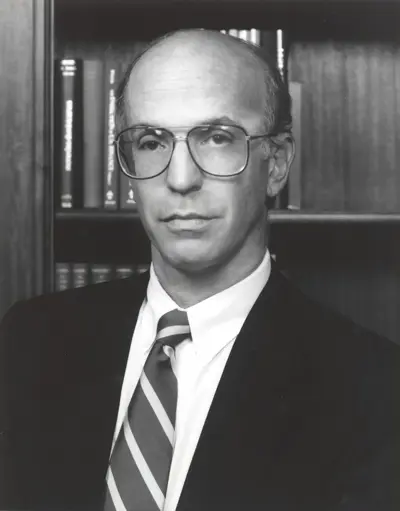
Alan Stuart Blinder is an American economist and the Gordon S. Rentschler Memorial Professor of Economics and Public Affairs at Princeton University who served as the Vice Chairman of the Board of Governors of the Federal Reserve System under President Bill Clinton.
