Thomas Wentworth Higginson Quotes
The woman-suffrage movement in America, in all its stages and subdivisions, has been the work of woman. No doubt men have helped in it: much of the talking has been done by them, and they have furnished many of the printed documents. But the energy, the methods, the unwearied purpose, of the movement, have come from women: they have led in all councils; they have established the newspapers, got up the conventions, addressed the legislatures, and raised the money.
Thomas Wentworth Higginson, 1823–191 Unitarian Minister, Author, Abolitionist, Feminist, Reformer & Soldier., Women and the Alphabet, 1881
Sourced by: Eigen's Political and Historical Quotations


Many people, mostly men, tended to regard and label the militant suffragettes as extremists and allowed as how women who advocated their voting rights but in an acceptable way might be wrong but they were at least ladies. The same kind of attempted split occurred in the latter half of the 20th century over the Woman’s movement. The Feminists were not “ladies” and were not to be emulated by normal women even if they had sympathy for he views. Groups without power have always been acceptable to society as long as their cries for a share of power were ineffectual and did not disrupt the existing order. But when they begin to use more successful means and are heard and attended to, then they are labeled as extremists not to be emulated by “decent” people.


She was the first presidential candidate's wife to admit such a radical position.


Some men in the audience hissed as she took the podium.

SNCC had been formed to promote equality, but race and class were the issues, not gender. Many of the women left SNCC and proceeded separately to start a women’s movement.


The speaker predicted the 19th Amendment to the Constitution, but was off by three years.


Samuel Langhorne Clemens, 1835-1910
Samuel Langhorne Clemens, 1835-1910
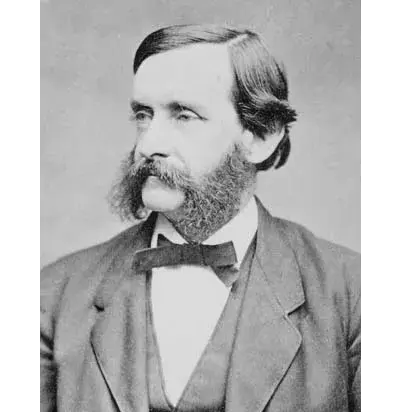
Thomas Wentworth Higginson was an American Unitarian minister, author, abolitionist, and soldier. He was active in the American Abolitionism movement during the 1840s and 1850s, identifying himself with disunion and militant abolitionism. He was a member of the Secret Six who supported John Brown. During the Civil War, he served as colonel of the 1st South Carolina Volunteers, the first federally authorized black regiment, from 1862–1864. Following the war, Higginson devoted much of the rest of his life to fighting for the rights of freed people, women and other disfranchised peoples.
