Black Hawk Quotes
The white people brought whiskey into our village, made our people drunk, and cheated them out of their horses, guns, and traps!...I visited all the whites and begged them not to sell whiskey to my people. One of them continued the practice openly. I took a party of my young men, went to his house, took his barrel and broke in the head and turned out the whiskey.
Black Hawk, 1767-1838, Sac and Fox Indian Chief, 1833
Sourced by: Eigen's Political and Historical Quotations


At the time, the traders were mostly French who traded all kinds of goods and especially alcohol—usually rum—for fur animal pelts. Many of the Indians were partial to the French and French oriented traders who did not covet their land and would provide the Indians with alcohol and guns, lead and powder while English traders sometimes tried to restrict these items. Many tribes of American Indians are genetically very susceptible to alcohol—both in terms of immediate impairment—getting drunk and in developing a dependency on having alcohol—addiction or alcoholism.

American Indians not only had no culture of alcohol and drinking in moderation, but most Native Americans have a genetic susceptibility to alcoholism.
The English had sent a cask of rum as a “token of friendship” It was returned

From the earliest days of the nation, alcohol has been a competitor for the resources and time of people, especially native Americans many of whom have a genetic predisposition to the deleterious effect of alcohol.
Even at this early time, it was clear that whites had brought numerous diseases that decimated the Indians. Alcohol and disease killed many more native Americans than all the wars—intertribal and with the whites—ever did. Neolin warned but did not have more than regional influence.


The great poet was trying to get a job with the BBC and Nicholson was to be his boss.


Douglass had written of how the slave owners used alcohol to maintain control over the slaves: {611086}.


He was describing the way that the Colonial America, Native American communities coped with the adverse consequence of violence brought about by liquor which had been given to the Indians by white traders for the purpose of impairing the Indians’ judgment so that they would trade more easily and on better terms. Since then and into the 21st century, business people have entertained’ potential customers with alcohol for the same general purposes.


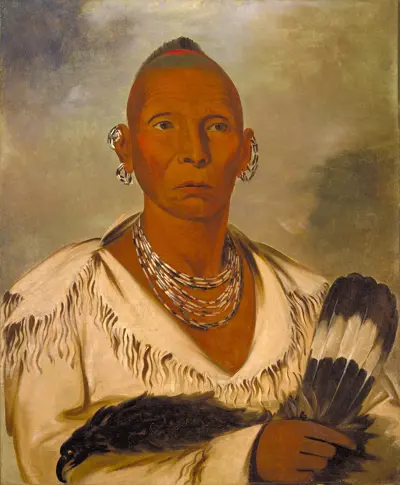
Black Hawk, born Ma-ka-tai-me-she-kia-kiak, was a band leader and warrior of the Sauk Native American tribe in what is now the Midwest of the United States. Although he had inherited an important historic sacred bundle from his father, he was not a hereditary civil chief. Black Hawk earned his status as a war chief or captain by his actions: leading raiding and war parties as a young man and then a band of Sauk warriors during the Black Hawk War of 1832.
