Josh Billings Quotes
The wheel that squeaks the loudest is the one that gets the grease.


He was following the lead of Colin Kaepernick—Quote 643305. Instead of standing and saluting as professional athletes have done for decades before games, Kaepernick had kneeled and refused to stand as a protest about the large number of unarmed Black young men who had been killed by police. . This caused great public criticism but also some initial support. Athletes who did this were potentially risking their multimillion dollar salary as this technically violated their contract to avoid anything embarrassing to the team. He also donated $1 million to programs in the area that were working to enhance Black/white understanding. Even those who disagreed with his choice of protest defended his right to do so, and after the initial furor, public opinion, while not in agreement about his method, tended to support him for having the courage of his convictions and using his celebrity for a worthy cause.

In science the vehmence and volume of your words are not accepted or even recognzied as aspects of ideas that should be considered, and though scientific arguments get very passionate, the kind of behavior that political adcocates and protestors demonstrate, is quite foreign to the professional culture. Yet, after the 2017 Election of Donald Trump to the Presidency a pattern of ignoring science in public policy making as accelerated and teh findign of scientific research was greatly diminished int the first Trump budget. So some scientists "took to the streets" to engage in political rallies and protests, and soon they were behaving like most other political protesters despite the fact that there were still a significant proportion of American scientists regard political protsting about science issues as unseemly and an inappropriate format or style of rational argument and discussion.


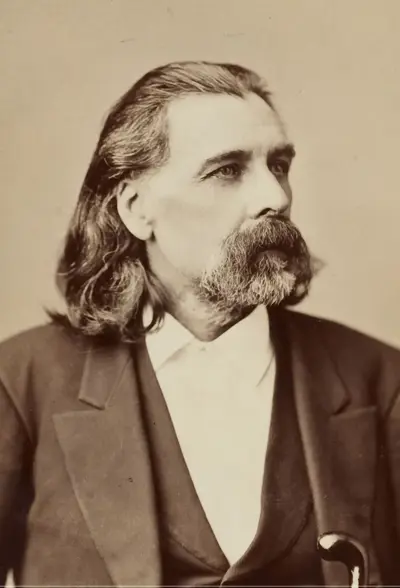
Josh Billings was the pen name of 19th-century American humorist Henry Wheeler Shaw . He was a famous humor writer and lecturer in the United States during the latter half of the 19th century. He is often compared to Mark Twain.
