Molly Ivins Quotes
The stakes they play for in politics are paper and money. The chips they play with are your life.
Ivins, Molly. Who Let the Dogs In?: Incredible Political Animals I Have Known. Random House, 2004, p. 45.


Lewis had sent Nkrumah is resignation. He believed that the economic policies that Nkrumah had chosen against his advice, risked economic disaster for Ghana in the long run. Nkrumah had wanted to invest very scarce country resources in “prestige projects” which had high visibility in the country and to the world but really just drained capital and did not develop infrastructure or economic capability of the country. He felt that if the people could be proud enough of their new nation and the world could respect them, the future would be better. So for example, he opened diplomatic missions throughout South America while at that time, Ghana was doing no business with South America. Lewis turned out to have been right, and Nkrumah had gambled and lost. Ghana had very little economic development or improvement in standard of living.

He and his Prime Minister, John Majors, had become so unpopular, that they were forced to resign by their own Conservative Party and never had to be voted out of office.


The three richest men in America—John D, Rockefeller, Andrew Carnegie, and Morgan, usually major rivals—had gathered together to decide what to do about William Jennings Bryan, who they viewed as very hostile to business and capitalism. (See {641037} and {641038} for Bryan quotation examples that concerned them.) They agreed to combine their efforts and back William McKinley who was running for the Republican Presidential nomination. In those days, the nominee was chosen by a small group of party leaders and their resources guaranteed McKinley the post. They then put large amounts of money to campaigning against Bryan and for McKinley including dirty tricks, many of which are illegal today. It is not known for certain whether McKinley knew the extent of the involvement of the monopolists, but shortly after assuming the Presidency he cut back on many of the relatively few regulations that then existed to control unbridled capitalism. Their effort went for naught when McKinley was assassinated and Theodore Roosevelt became President. Roosevelt would not be bribed or intimidated, and he did more to control monopolies than even Bryan would likely have.


Hanna, managing William McKinley’s Presidential Campaign against William Jennings Bryan, outspent is opponents by a factor of ten to one. Few understood that at the time or the profound effect that money could play in national politics. Hanna was a political strategist far ahead of his time.

The “party” Wilson referred to was the lobbyists and corporations who would do almost anything to be in his good graces and they poured money into his campaign fund.


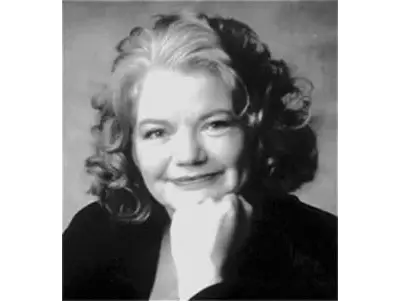
Mary Tyler "Molly" Ivins was an American newspaper columnist, author, political commentator, and humorist.
