Voltaire Quotes
The sovereign is called a tyrant who knows no laws but his caprice.
Voltaire. "Tyranny." A Philosophical Dictionary, translated by William F. Fleming, E. R. DuMont, 1901.


What is fascinating about this quotation is that England itself was an aristocracy with a monarchy and very few elements of fairness and equality. The aristocracy and the monarch very much used the system and the common people for their benefit. However, the degree of abuse and tyranny and absence of any sense of equity, shocked even this English aristocrat. Behoof was a Middle English word derived from words that mean to profit from. By the time he used it, it meant benefit or advantage—a slightly wider meaning, but even in 1591 it was not a commonly used words but one used more by the intelligentsia of the day.


There was a rumor that Napoleon BonaparteII, Emperor of the French, was seriously ill, and when asked what the complaint was, a distinguished foreign guest remarked:


Arguing the need to limit the power of the legislature:


FDR was a marvelous judge of men and their character. De Gaulle could not separate himself from France and pushed the French Republic towards one man rule (himself) as much as anyone since Napoleon Bonaparte.

At the time of this statement most people thought that Bush was joking. But by the end of his Presidency many looked back on the quote and thought that Bush had such preferences. He unilaterally took the country into the Iraq War and assumed Presidential Powers that no other president had ever attempted. Most serious, his administration actually took the formal legal position that the President did not have to obey the law if he unilaterally thought that it was not in the nation’s interest from the point of view of the Commander in Chief. So many debate whether this quotation was a light hearted joke of a harbinger of his real feelings about the Presidency.


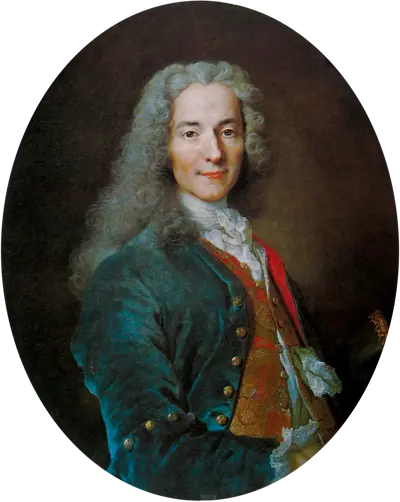
François-Marie Arouet, known by his nom de plume Voltaire (/vɒlˈtɛər, voʊl-/; also US: /vɔːl-/; French: [vɔltɛːʁ]), was a French Enlightenment writer, historian, and philosopher famous for his wit, his criticism of Christianity—especially the Roman Catholic Church—as well as his advocacy of freedom of speech, freedom of religion, and separation of church and state.
