Finland Quotes
The Sami, as an indigenous people, as well as the Roma and other groups, have the right to maintain and develop their own language and culture.
Finland, Constitution, March 1, 2000
Sourced by: Eigen's Political and Historical Quotations

After the WWI Turkish massacre of Armenians and the casualties of WWII, large numbers of Armenians were outside of Armenia which was a part of the Soviet Union and many ethnic Russians were moved into Armenia thus dominating the country. The ethnic Armenians found themselves a minority in their own homeland,


Kenya and a number of other countries of the world were made up of regions and tribes who spoke many languages, Kenya, India and many others chose English and most people speak their tribal or regional language and English. In some countries French was chosen. Typically, the language selected for unity was the language of the colonizers of the area.


This referendum was passed by the voters as a backlash against the large influx of Hispanics and especially Cubans.


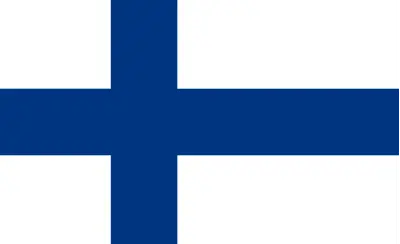
Finland (Finnish: Suomi [ˈsuo̯mi] (listen); Swedish: Finland [ˈfɪ̌nland] (listen), Finland Swedish: [ˈfinlɑnd]), officially the Republic of Finland (Finnish: Suomen tasavalta, Swedish: Republiken Finland (listen to all)), is a Nordic country located in Northern Europe. It shares land borders with Sweden to the west, Russia to the east, Norway to the north, and is defined by the Gulf of Bothnia to the west, and the Gulf of Finland of the Baltic Sea across Estonia to the south. Finland covers an area of 338,455 square kilometres (130,678 sq mi), with a population of 5.5 million. Helsinki is the country's capital and largest city. Finnish, the native language of the Finns, is among the only few Finnic languages in the world. The climate varies relative to latitude, from the southern humid continental climate to the northern boreal climate. The land cover is primarily a boreal forest biome, with more than 180,000 recorded lakes.
