Joseph Stiglitz Quotes
The recovery of the banks is what happens when you reduce competition, lend money to them at zero interest rates, allow them to gamble. That particular style of restoration actually inhibits the economic recovery.
Stiglitz, Joseph E. Freefall: America, Free Markets, and the Sinking of the World Economy. W.W. Norton & Company, 2010.


The Chairman of the Federal Reserve Board, creatively found alternatives that the Fed had never used before and almost all experts did not even realize that were possible. He and Treasury Secretary Paulson, almost certainly saved the American system of capitalism. But in the process, they in the early stages and Bernanke throughout the crisis took a number of steps to save the system where the very people and companies whose actions had triggered the entire crisis seemed to personally benefit while most Americans were hurt badly and none of them received any immediate personal benefits the way the large bankers did. The amount of money that Bernanke and his Federal Reserve Board associates spend was staggeringly large and that too distressed many Americans. Almost all of the money was actually returned to the taxpayers as a result of the work of the Fed and the Treasury officials, but no one could feel good about the unfair disparity that had so benefitted much of Wall Street particularly and Main Street and the rest of American only generally while so many lost their jobs, their homes, their dignity and their hopes. Only the big banks and bankers also got a personal huge windfall of taxpayer money and took no risk for that. The alternative would have ruined everyone and even have been worse for the average citizen.


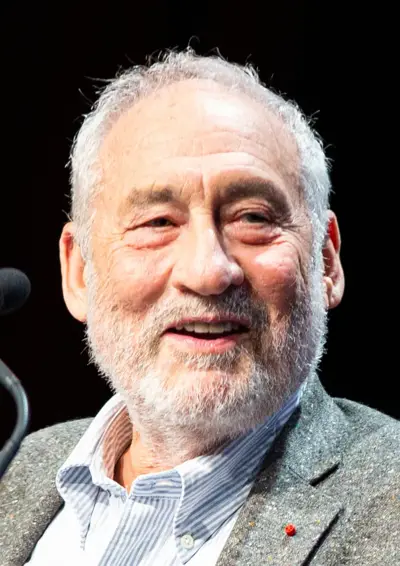
Joseph Eugene Stiglitz is an American economist, public policy analyst, and a professor at Columbia University. He is a recipient of the Nobel Memorial Prize in Economic Sciences (2001) and the John Bates Clark Medal (1979). He is a former senior vice president and chief economist of the World Bank and is a former member and chairman of the (US president's) Council of Economic Advisers. He is known for his support of Georgist public finance theory and for his critical view of the management of globalization, of laissez-faire economists (whom he calls "free-market fundamentalists"), and of international institutions such as the International Monetary Fund and the World Bank.
