Mahatma Gandhi Quotes
The purification required is not of untouchables but of the so-called superior castes.
Gandhi, Mahatma. The Collected Works of Mahatma Gandhi. Vol. 21, Publications Division, Ministry of Information and Broadcasting, Government of India, 1966, p. 248.


The traditional Hindu social structure established castes – levels of society with Brahmins at the top and untouchables at the bottom. When India gained independence, the caste system was made illegal. Nonetheless, it is still followed by hundreds of millions of Indians. Religiously the Buddhists and the Hindus have had different philosophies. Ilaiah is a Buddhist who opposes the traditional Brahmin social structure and is a supporter of “Dalitization” – a change in the Indian culture to make the Dalits (untouchables) equal de juro and de facto.


Many Indians follow a rigid caste system where all people are born and divided into 5 social castes which are immutable—there is no caste mobility. An “untouchable” –the lowest Indian Caste—even if he make a million dollars—is still an untouchable and the higher casts would have nothing to do with him. Most upper caste people would not allow an untouchable physician to treat him or an untouchable cook to prepare his food. The Caste system is illegal under Indian law, but the majority of the Indians still follow it.

Manava Dharma Shastra. This text is a part of the Hindu Holy Texts. Hindus believe that Manu was a prophet whose text is revealed or inspired.


Paz was the Ambassador to India. The caste system in India was outlawed by the Indian Constitution, and the government has made many effort at affirmative action to eliminate it put as Paz observed it is so ingrained in Indian tradition, culture and religion that it continues to persist.


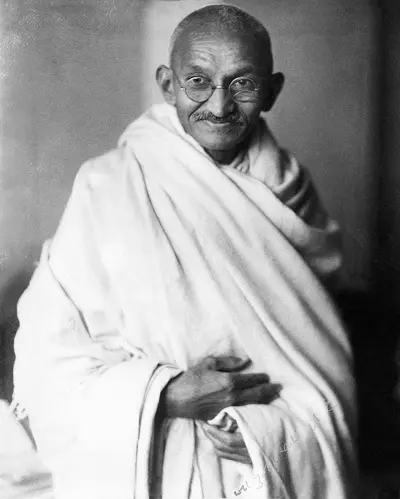
Mohandas Karamchand Gandhi was an Indian lawyer, anti-colonial nationalist, and political ethicist, who employed nonviolent resistance to lead the successful campaign for India's independence from British rule, and in turn inspired movements for civil rights and freedom across the world. The honorific Mahātmā (Sanskrit: "great-souled", "venerable"), first applied to him in 1914 in South Africa, is now used throughout the world.
