George Fox Quotes
The prisons were now everywhere filled with Friends and others, in the city and country, and the posts were so laid for the searching of letters that none could pass unsearched.
This is the kind of search and seizure to determine who was practicing which religion with which out Founding Fathers were very much aware and which were eliminated in the Bill of Rights.
George Fox, 1624-1691, English founder of the Society of Friends (Quakers), Labors, Dangers and Sufferings, 1661-1662
Sourced by: Eigen's Political and Historical Quotations

What oven gets overlooked in the history leading up to the Civil War was the terribly repressive atmosphere that developed in the South itself over the issue of slavery. There were some abolitionists in the South, and most of the slaves were held by a relatively few wealthy men. Many with no slaves or only one or two, might go either way on the slavery issue and the various fugitive slave laws. And Northern abolitionists sometimes would come South to investigate and report on the conditions of the slaves of the South. While still in the Union, many Southern areas made a mockery of the Constitutional protections of freedom of speech, freedom of the press. Censorship and repressive activities invaded privacy, and the South, for both Northerners and English travelers, no longer had the charm of the past. Note the use of the term “reign of terror”. Bunch was a seasoned diplomat experienced at reporting on conditions.


She had been jailed for “inciting to riot.” As she was released from prison thousands of well wishers greeted her.


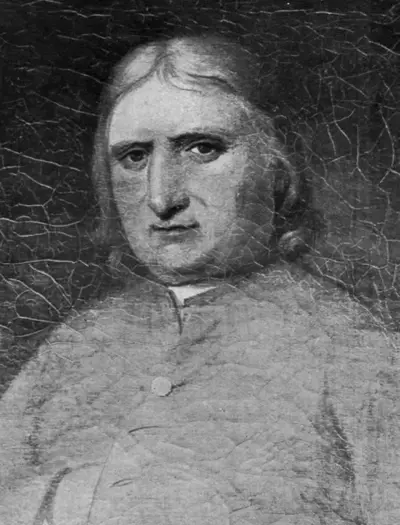
George Fox was an English Dissenter, who was a founder of the Religious Society of Friends, commonly known as the Quakers or Friends. The son of a Leicestershire weaver, he lived in times of social upheaval and war. He rebelled against the religious and political authorities by proposing an unusual, uncompromising approach to the Christian faith. He travelled throughout Britain as a dissenting preacher, performing hundreds of healings, and often being persecuted by the disapproving authorities. In 1669, he married Margaret Fell, widow of a wealthy supporter, Thomas Fell; she was a leading Friend. His ministry expanded and he made tours of North America and the Low Countries. He was arrested and jailed numerous times for his beliefs. He spent his final decade working in London to organise the expanding Quaker movement. Despite disdain from some Anglicans and Puritans, he was viewed with respect by the Quaker convert William Penn and the Lord Protector, Oliver Cromwell.
