Vladimir Bukovsky Quotes
This power, this authority, Soviet power: they killed everybody who could make any resistance, who could explain his own way of thinking and who could follow his own way of thinking, of believing.


What oven gets overlooked in the history leading up to the Civil War was the terribly repressive atmosphere that developed in the South itself over the issue of slavery. There were some abolitionists in the South, and most of the slaves were held by a relatively few wealthy men. Many with no slaves or only one or two, might go either way on the slavery issue and the various fugitive slave laws. And Northern abolitionists sometimes would come South to investigate and report on the conditions of the slaves of the South. While still in the Union, many Southern areas made a mockery of the Constitutional protections of freedom of speech, freedom of the press. Censorship and repressive activities invaded privacy, and the South, for both Northerners and English travelers, no longer had the charm of the past. Note the use of the term “reign of terror”. Bunch was a seasoned diplomat experienced at reporting on conditions.


Spinoza’s ideas were considered so radical and dangerous that he was the only man in history who was excommunicated by the Catholics, the Jews and the Muslims.

Belafonte was on stage with Hugo Chavez, the autocratic president of Venezuela and a patent demagogue who constantly attacked Bush and the American government. Other than an entertainer who knows little about politics making an over the top attack on the president this quotation is ironic because he was at the time on the stage with and supporting one of the two most autocratic dictators of the Western Hemisphere—Hugo Chavez. In that context, the accusation was as absurd as it can get.

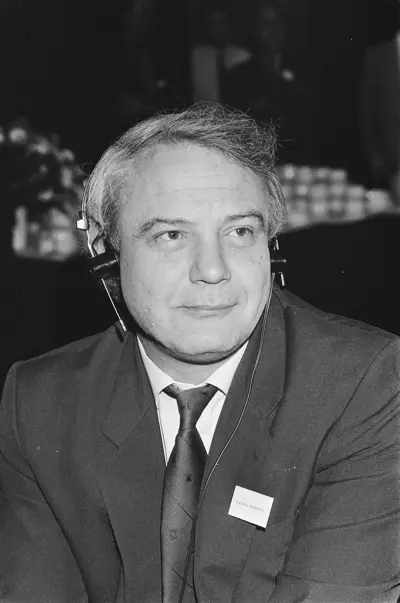
Vladimir Konstantinovich Bukovsky was a Russian-born British human rights activist and writer. From the late 1950s to the mid-1970s, he was a prominent figure in the Soviet dissident movement, well known at home and abroad. He spent a total of twelve years in the psychiatric prison-hospitals, labour camps, and prisons of the Soviet Union.
