Sam Ervin Quotes
The President seems to extend executive privilege way out past the atmosphere. What he says is executive privilege is nothing but executive poppycock.
Ervin, Sam J., Jr. Presidential Campaign Activities of 1972, Senate Resolution 60: Hearings Before the Select Committee on Presidential Campaign Activities of the United States Senate. U.S. Government Printing Office, 1973, p. 1833.


Biddle was the loser in his fight with Jackson who was reelected for a 2nd term. He then withdrew federal deposits from Biddle's bank and persuaded not to renew Biddle's charter. That was the end of a single national bank in America.

There have been many examples of Presidents in time of war who have asked Congress & received additional powers whose constitutionality was sometimes tested. The Alien & Sedition acts of the John Adams administration, Lincoln in the Civil War controlling the Southern governments, Wilson jailing people verbally opposing the draft, FDR incarcerating Japanese Americans in WWII. However, in those cases, the President asked for and got the powers from Congress. Nichols claimed that by Bush, just assuming powers, he was acting like a king & not a president, and that per se was an impeachable offence. As unpopular as Bush was, his Vice President was much moreso, & Bush was in his last term; neither party wanted to go through another impeachment after the Republican attempt to oust William Clinton ended in acquittal. Other constitutional scholars do not believe the “acting like a king” rises to the level of an impeachable offense; only specific “high crimes & misdemeanors” would qualify.


The Senator had introduced an amendment that would prohibit the President from attempting to influence members of Congress. It failed.


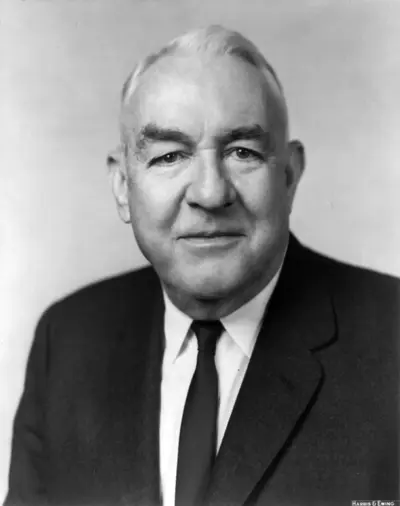
Samuel James Ervin Jr. was an American politician. A Democrat, he served as a U.S. Senator from North Carolina from 1954 to 1974. A native of Morganton, he liked to call himself a "country lawyer", and often told humorous stories in his Southern drawl. During his Senate career, Ervin was a staunch defender of the Jim Crow laws and racial segregation, as the South's constitutional expert during the congressional debates on civil rights. Paradoxically, he was also known for his support of civil liberties. He is remembered for his work in the investigation committees that brought down Senator Joseph McCarthy in 1954 and especially for his investigation of the Watergate scandal in 1972 that led to the resignation of Richard Nixon.
