John Milton Quotes
The power of Kings and Magistrates is nothing else, but what is only derivative, transferred and committed to them in trust from the People.
See Jeremy Bentham for a later, but similar English view.
John Milton, 1608-1674, English Writer, The Tenure of Kings and Magistrates, 1649
Sourced by: Eigen's Political and Historical Quotations

There was a belief among some anti-Federalists that the people lost their power by electing representatives and not having a direct democracy as in many New England communities. Ames gave the counter argument.


See Charles James Fox, John Milton, Jeremy Bentham, Grover Cleveland, Henry Clay, Benjamin Disraeli and Woodrow Wilson for similar expressions of this idea.


In 1628 Parliament, in response to abuses by King Charles I, was about to pass The Petition of Rights–-a type of Bill of Rights. The King gave assurances that the practices—such as forcing nobles to lend him money—would not continue and didn't want to be embarrassed by passage of a law which he claimed would indicate that the Parliament did not trust him and weaken the dignity of the monarchy. The Petition of Rights passed with Cole’s leadership.

See Edmund Burke and Franklin Delano Roosevelt for a similar view.


This was a dramatic assertion at the time, even for England with it’s Magna Carta.


The view was considered so radical at the time that Fox's name was erased from the Privy Council.


See Plato and Carrie Chapman Catt {394756} for similar views.
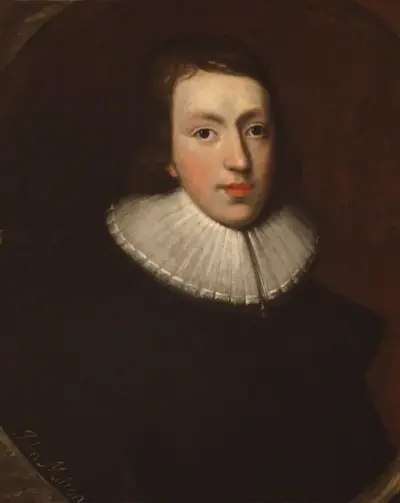
John Milton was an English poet and intellectual who served as a civil servant for the Commonwealth of England under its Council of State and later under Oliver Cromwell. He wrote at a time of religious shifts and political instability, and is best known for his epic poem Paradise Lost (1667). Written in blank verse, Paradise Lost is widely considered to be one of the greatest works of literature ever written.
