Bill Ayers Quotes
The only people who have never had a problem with me speaking in their venues are independent bookstores and libraries. Universities and humanities councils have canceled me, but never an independent bookstore.
Ayers, William. Public Enemy: Confessions of an American Dissident. Beacon Press, 2013.


She was dealing with a serious campus situation where an invited speaker, Chief of Police Kelly of New York City was prevented from giving his p resentation on the controversial “Stop and Frisk” rules by student protesters who opposed the practice. Brown’s tradition of hearing anyone on the campus regardless of point of view had been broken to the distress of most students, faculty and alumni.

In some universities would sometimes protest the selection of a commencement speaker and demonstrate. On some of these occasions the school administration withdrew the invitation. In addition to the problem described by Beckel, the university sells out its basic intellectual commitment to hear all ideas and points of view—regardless of how repugnant or evil. Commencement speakers tend to create a bigger problem because of the custom of the university granting the speaker an Honorary Degree. Whereas it is against the academic tradition to censor a speaker and having a speaker does NOT associate the University, the faculty or the students with the views of the speaker. But the granting of the Honorary Degree does imply an institutional approval and admiration of the speaker, and that is fair game for student protest. However in the beginning of the 21st century some extreme left wing students succeeded in intimidating spineless university administrators and trustees into censoring speech and the ideas of the speaker. This was typical behavior of the right wing brownshirts of the 1930s when it was the Fascists who were prohibiting certain speakers—usually left wingers. 80 years later it was the left wing extremists engaging in this undemocratic behavior.


She was supporting the Kansas City Public Library which was protesting the arrest of a patron who had attended a speech sponsored by a non profit community organziation. The organization hard hired a security guard who happened to be a mmoonlighting Kansas City police officer. The patron had brabbed the microphone to protest and refute the speaker, The guard proceeded to arrest the paton. When a library employee tried to intervene explaining that it was the policy of the library to allow great exhuberence on th part of all attendees at public discussions. The officer then arrested the library employee. The library protested to the Police and the mayor vigoriously and the incident becale a national cause celebre. This was the statemment of the American Library Association President.
He was announcing that a lecturer Kevin Barrett would not be fired from the University. Barrett had taken the position with his students that the 9-11 attack on the World Trade Center could not have been done by a handful of terrorists and it must have done by or with the complicity and help of forces inside the United States government. There had been outrage throughout the country with demands by many politicians for his ouster. The University did not bend to the political pressure even in the case where there was such an outrageous and incorrect view.


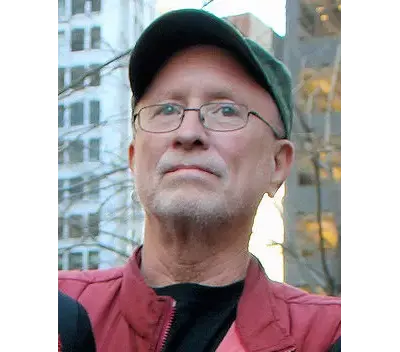
William Charles Ayers is an American elementary education theorist. During the 1960s, Ayers was a leader of the Weather Underground militant group, described by the FBI as a terrorist group, that opposed US involvement in the Vietnam War. He is known for his 1960s radical activism and his later work in education reform, curriculum and instruction.
