William Jennings Bryan Quotes
The money power preys upon the Nation in times of peace and conspires against it in times of adversity. It is more despotic than monarchy, more insolent than autocracy, more selfish than bureaucracy. It denounces as public enemies, all who question its methods, or throw light upon its crimes.
William Jennings Bryan, 1860-1925, U. S. Secretary of State, U. S. Congressman (Democrat, NB), 3 Time Unsuccessful Democratic Presidential Candidate, Quoted in Teltser-Schwartz, Money Talks, Peter Pauper Press, 1988
Sourced by: Eigen's Political and Historical Quotations

The public had been roused by the meatpacking scandal and the other exposes of the leading muckraking journalists—of which Baker was one. President Roosevelt had galvanized and led the public opinion to pressure congress and major great reforms were under way that would change America forever—see New York Times editorial {86516}.


some of the 1 percent Not all of the superrich in America are like this. Bill Gates and Warren Buffet, two of the richest Americans, for example, are supporters of these important programs for many citizens. However, the Koch Brothers, Senator Sanders best example, had $87 Billion and earned $12 Billion more that year. Yet they also made great efforts and spend large sums of money to take away the Social Security, Medicaid.


Iturbide, known also as Agustin I, was the first Emperor of Mexico who was executed by a firing squad.

There is a very interesting parallel with the views and statements of FDR at the same time.
At the time, there was generally only a single newspaper in an area in New Zealand.


Referring to many African countries:


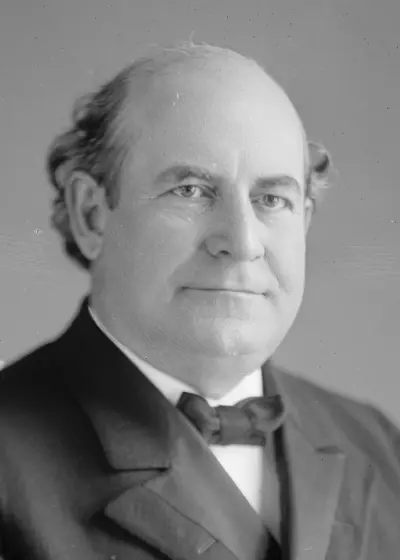
William Jennings Bryan was an American orator and politician from Illinois and Nebraska. Beginning in 1896, he emerged as a dominant force in the Democratic Party, running three times as the party's nominee for President of the United States in the 1896, 1900, and 1908 elections. He also served in the United States House of Representatives and as the United States Secretary of State under Woodrow Wilson. Because of his faith in the wisdom of the common people, he was often called "The Great Commoner".
