Jeremiah Day Quotes
The models of ancient literature which are put into the hands of the young student, can hardly fail to imbue his mind with the principles of liberty, to inspire the liveliest patriotism, and to excite to noble and generous action, and are therefore particularly adapted to American youth.
The Connecticut state legislature had questioned why Greek and Latin should be required of entering students. If any language should be required, why not French, Dutch or German—the more “practical” languages. Day wrote this report to answer the question. The ancient Greek and Roman classics were, in his view and that of the faculty, the best reading for American citizenship. There is a similar quasi political argument today regarding the classic Western literature as the foundation of American citizenship and patriotism, and some critics argue that non Western literature is equally important and should be taught also. The traditionalists argue that the classic Judeo Classic Western literature is what America was founded upon and informed the Founding Fathers, and therefore should not be diminished in the curriculum.
Jeremiah Day, 1773 –1867, Congregational Minister & President of Yale University, Yale University Report of 1828
Sourced by: Eigen's Political and Historical Quotations


The President with Secretary of State, Thomas Jefferson, and several members of Congress, came to Brown to get ideas of how colleges should operate as there were very few colleges in America, and more were needed. Note the classic language of political flattery. Washington was really polished as “retail” politician as this quotation demonstrates.


Quintus Horatius Flaccus


“Societies” were volunteer community associations formed for the purpose of monitoring the public officials and legislatures and recommending things. They would invite speakers and exchange political knowledge. They performed many of the functions that think tanks and local political parties do in modern times, but generally they were totally non-partisan—hence they were “disinterested”.


She was dealing with a serious campus situation where an invited speaker, Chief of Police Kelly of New York City was prevented from giving his p resentation on the controversial “Stop and Frisk” rules by student protesters who opposed the practice. Brown’s tradition of hearing anyone on the campus regardless of point of view had been broken to the distress of most students, faculty and alumni.

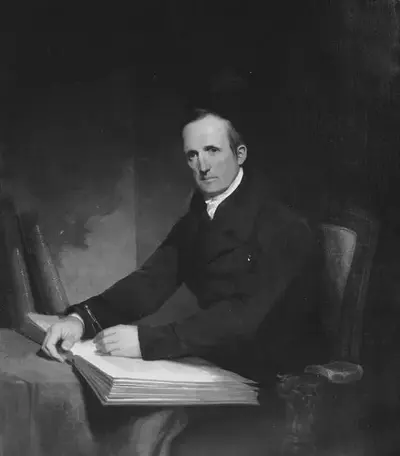
Jeremiah Day was an American academic, a Congregational minister and President of Yale College (1817–1846).
