Richard Henry Dana Quotes
The main object of the parents is to marry their daughters well, and to this a fair name is necessary. The sharp eyes of a duena, and the ready weapons to a father or brother, are a protection which the characters of most of them — men and women — render by no means useless; for the very men who would lay down their lives to avenge the dishonor of their own family would risk the same lives to complete the dishonor of another.
This is a very interesting historical quotations in that it describes the family culture of an important subset of Americans in the early 19th century. The Duena (chaperone) was a middle aged woman who would always accompany young, unmarried women whenever they left the home. A young man who would take a young lady for a carriage ride or anything else, would also have to take the duena.
Richard Henry Dana, 1815-1882, Writer & Co-founder, Free Soil Party, Description of part of the family culture of the Latino residents of Santa Barbara in 1835, Two Years Before the Mast, 1840
Sourced by: Eigen's Political and Historical Quotations


In a sense, Ebla had the first “shotgun weddings”. But it shows the value to this ancient society to having a family unit for the raising of children.


Actually during this period, automation and other forms of technological unemployment have been far more responsible for the loss of good jobs in America than offshoring which has been far more responsible than competition from immigrants.
At the time she was herself in exile in Jordan where she worked with the over 1 million Arab refugees (from both Syria and Iraq) in Jordanian refugee camps. The contrast between the two groups of refugees she found dramatic.


Some change took place, mostly among educated in the cities. There has been little change otherwise since his death.
See {628476} for the text that triggered this response. These quotations are very important because it illustrates the terrible sexism that existed even when women were hired into professional jobs which itself is rare. They should be at home taking care of husband and children. Ironically, there are still a few conservatives who advocate a return to the old policy.


At the time, the mother had no legal rights whatsoever over the upbringing of their own children. If the father did not want the mother to nurse a child, she could not. Although born and educated in the United States, she lived mostly in England and was politically active there.

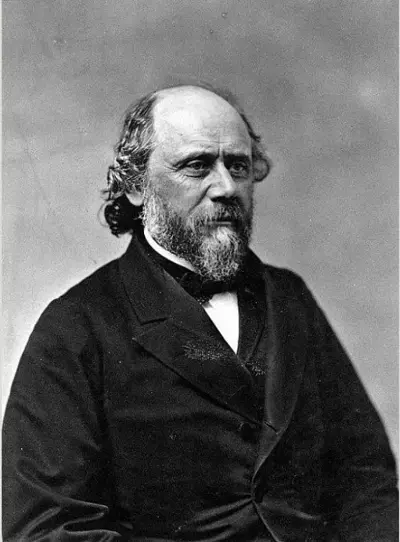
Richard Henry Dana Jr. was an American lawyer and politician from Massachusetts, a descendant of a colonial family, who gained renown as the author of the classic American memoir Two Years Before the Mast. Both as a writer and as a lawyer, he was a champion of the downtrodden, from seamen to fugitive slaves and freedmen.
