Mark Twain Quotes
The lottery is a government institution & the poor its best patrons.
Samuel Langhorne Clemens, 1835-1910. The differential damage to the poor of lotteries was well known in the 19th century but the desire for money of governments, non-profit organizations, and corporations who administer many of the lotteries, blunted attempts to outlaw public lotteries. By the 21st century U. S. State Governments ran the largest lotteries in the world with the same differential detriment to the poor that Twain had described herein.
Mark Twain, Writer, Founder, Anti-Imperialist League, Notebook #17, October 1878 - February 1879
Sourced by: Eigen's Political and Historical Quotations


She was one of the leaders fighting the proposal to allow casino gambling in the state. Months later, the legislature passed a bill allowing 3 casinos in the state and the Governor signed it. No one disagreed with Ms. Tucker, but with the Great Recession diminishing state tax revenue, most legislators and the governor felt that the benefits outweighed the problems.

This point of of view is actually held by a significant number of conservative Americans. They believe that welfare actually causes the inability of the very poor to get ahead. However, almost no people who have been recipients of welfare, including those who not only emerged from poverty but became wealthy and distinguished, agreed with them. The Congressman was silent about all the companies and wealthy individuals who regularly take corporate welfare and subsidies from the government and who do not seem to be negatively affected.


Indian and Black slaves were outlawed very early in Connecticut, not on moral grounds of concern for the Indians and Blacks, but because of the negative effects on the white poor. Why would anyone pay the poor any more than the amortization costs of a slave? Therefore there was no way a poor white could make a living wage if slavery were to coexist.

The Pool Laws provided economic and food relief for the very poor—an early type of welfare. Malthus and other conservatives hated the Poor Laws, but many like Malthus felt it immoral to terminate what was then the only social safety net. And none of the critics could suggest anything better and especially anything that would eliminate poverty altogether. The same issues were to be fought out in America during the Hoover Administration when the Great Depression struck. Hoover’s refusal for government to be the social safety net together with his inability to improve the economy, led to his ousting and the establishment of the New Deal with FDR.

Owner of one of the only 2 Mexican Television Networks


The argument here is that since the poor working class wages are so low, that they cannot save for an emergency, therefore the society must provide for welfare for those who might otherwise starve.


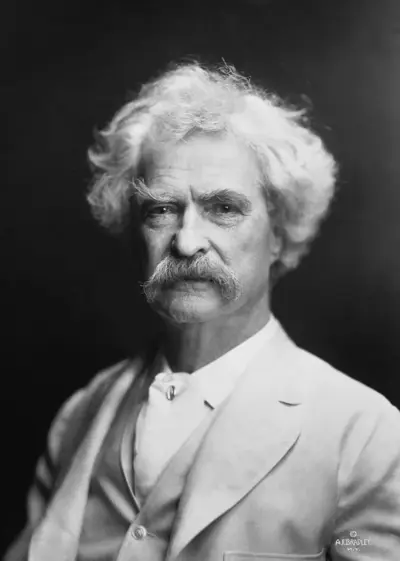
Samuel Langhorne Clemens, known by his pen name Mark Twain, was an American writer, humorist, entrepreneur, publisher, and lecturer. He was lauded as the "greatest humorist the United States has produced," and William Faulkner called him "the father of American literature". His novels include The Adventures of Tom Sawyer (1876) and its sequel, the Adventures of Huckleberry Finn (1884), the latter often called "The Great American Novel".
