Mohammed Omar Quotes
The insult has been established now by everybody, Muslim and non-Muslim, and everybody condemns the cartoonist and condemns the cartoon, ... However, God said, and the messenger Mohammed said, whoever insults a prophet, he must be punished and executed. This man should be put on trial and if it is proven he must be executed. ... If anybody insults the prophet, he will have to take a punishment. If countries refuse to put people on trial for insulting Mohammed they must face the consequences...
In September of 2005 a Danish Newspaper published some political cartoons showing the hypocrisy of some Muslims who use Islam to justify murder of innocents and terrorism. Months later, in January of 2006 many in the Middle East protested vehemently and Muslim riots broke out because the Prophet Muhammad's visage was depicted against Islamic tradition. Many Muslim nations started a boycott against Denmark. Many Muslim leaders claimed that insulting religion was an “abuse” of freedom of speech including those from nations which regularly publish material that is virulent against Christians and Jews. The Sheikh along with many other Muslims called for the death penalty for the cartoonist who was exercising his Danish right of freedom of expression.
Sheikh Mohammed Omar, English Moslem Cleric, Spiritual Leader of the Islamic fundamentalist extremist sect, Al-Muhajiroun, Interview, BBC Radio, February 2, 2006
Sourced by: Eigen's Political and Historical Quotations

In September of 2005 a Danish Newspaper published some political cartoons showing the hypocrisy of some Muslims who use Islam to justify murder of innocents and terrorism. Months later, in January of 2006 many in the Middle East protested vehemently and Muslim riots broke out because the Prophet Muhammad's visage was depicted against Islamic tradition. Many Muslim nations started a boycott against Denmark. Many Muslim leaders claimed that insulting religion was an “abuse” of freedom of speech including those from nations which regularly publish material that is virulent against Christians and Jews. Westerners came to the support of Denmark. The United States which usually supports freedom of the press made this veiled criticism of the Danish Newspaper.

In September of 2005 a Rose’s newspaper published some political cartoons showing the hypocrisy of some Muslims who use Islam to justify murder of innocents and terrorism. Months later, in January of 2006 many in the Middle East protested vehemently and Muslim riots broke out because the Prophet Muhammad's visage was depicted against Islamic tradition. Many Muslim nations started a boycott against Denmark. Many Muslim leaders claimed that insulting religion was an “abuse” of freedom of speech including those from nations which regularly publish material that is virulent against Christians and Jews. Apologies were demanded from Rose.

In September of 2005 a Danish Newspaper published some political cartoons showing the hypocrisy of some Muslims who use Islam to justify murder of innocents and terrorism. Months later, in January of 2006 many in the Middle East protested vehemently and Muslim riots broke out because the Prophet Muhammad's visage was depicted against Islamic tradition. Many Muslim nations started a boycott against Denmark. Many Muslim leaders claimed that insulting religion was an “abuse” of freedom of speech including those from nations which regularly publish material that is virulent against Christians and Jews. Islamic country newspapers however, when it comes to what is perceived as material insulting to Islam, as typified by this editorial, feel that their religion should never be insulted despite the fact that Saudi Arabian media constantly insult Christianity and Judaism. Their justification of this gross double standard is that Islam is the “true” religion.

In September of 2005 a Danish Newspaper published some political cartoons showing the hypocrisy of some Muslims who use Islam to justify murder of innocents and terrorism. Months later, in January of 2006 many in the Middle East protested vehemently and Muslim riots broke out because the Prophet Muhammad's visage was depicted against Islamic tradition. Many Muslim nations started a boycott against Denmark. Many Muslim leaders claimed that insulting religion was an “abuse” of freedom of speech including those from nations which regularly publish material that is virulent against Christians and Jews.
In September of 2005 a Danish Newspaper published some political cartoons showing the hypocrisy of some Muslims who use Islam to justify murder of innocents and terrorism. Months later, in January of 2006 many in the Middle East protested vehemently and Muslim fatal riots broke out because the Prophet Muhammad's visage was depicted against Islamic tradition. Many Muslim nations started a boycott against Denmark. Many Muslim leaders claimed that insulting religion was an “abuse” of freedom of speech including those from nations which regularly publish material that is virulent against Christians and Jews.
In September of 2005 a Danish Newspaper published some political cartoons showing the hypocrisy of some Muslims who use Islam to justify murder of innocents and terrorism. Months later, in January of 2006 many in the Middle East protested vehemently and Muslim fatal riots broke out because the Prophet Muhammad's visage was depicted against Islamic tradition. Many Muslim nations started a boycott against Denmark. Many Muslim leaders claimed that insulting religion was an “abuse” of freedom of speech including those from nations which regularly publish material that is virulent against Christians and Jews.

In September of 2005 a Danish Newspaper published some political cartoons showing the hypocrisy of some Muslims who use Islam to justify murder of innocents and terrorism. Months later, many in the Middle East protested vehemently and Muslim riots broke out because the Prophet Muhammad's visage was depicted against Islamic tradition. Many Muslim leaders claimed that insulting religion was an “abuse” of freedom of speech including those from nations which regularly publish material that is virulent against Christians and Jews.

In September of 2005 a Danish Newspaper published some political cartoons showing the hypocrisy of some Muslims who use Islam to justify murder of innocents and terrorism. Months later, many in the Middle East protested vehemently and Muslim riots broke out because the Prophet Muhammad's visage was depicted against Islamic tradition. Many Muslim leaders claimed that insulting religion was an “abuse” of freedom of speech including those from nations which regularly publish material that is virulent against Christians and Jews. That was particularly true of Egypt which commonly insulted Christianity and Judaism and the government always claimed that they could not interfere with private publications and broadcasts because Egypt had freedom of speech and the press.

In September of 2005 a Danish Newspaper published some political cartoons showing the hypocrisy of some Muslims who use Islam to justify murder of innocents and terrorism. Months later, many in the Middle East protested vehemently and Muslim riots broke out and Danish boycotts ensued because the Prophet Muhammad's visage was depicted against Islamic tradition. Many Muslim leaders claimed that insulting religion was an “abuse” of freedom of speech including those from nations which regularly publish material that is virulent against Christians and Jews. Although France had a large Muslim minority, reaction of French Muslims was much more mild than that of Middle Eastern Arabs where the governments either encouraged the rioters or refused to take action to deter them from sacking Danish property.

In September of 2005 a Danish Newspaper published some political cartoons showing the hypocrisy of some Muslims who use Islam to justify murder of innocents and terrorism. Months later, many in the Middle East protested vehemently and Muslim riots broke out and Danish boycotts ensued because the Prophet Muhammad's visage was depicted against Islamic tradition. Many Muslim leaders claimed that insulting religion was an “abuse” of freedom of speech including those from nations which regularly publish material that is virulent against Christians and Jews.

Most political cartoons offend. The problem for the Yale Press was that if they did not print the cartoons, the violence and intimidation of the most extreme Muslims will have been rewarded as a strategy. If they printed, some people will be injured and killed in the likely rioting. If rioting did not occur spontaneously, it would be whipped up by the extremists. A Hobsen’s choice for publishers the world over that is exactly what the most extreme Muslims have planned.

Many Arab orthodox Muslims would be terribly angry and insulted if Islam or key elements of it were insulted. To them this was obscene. Culturally, sarcastic comedic attacks and insults in general are not common in Arab culture. Making fun of Islam or the Prophet was unheard of. Under Sharia (Islamic Law) this is heresy and must be stopped, with the heretic put to death. In the early 21st century, the Internet and other modern communications exposed Muslims to the West in a level of detail that had been unknown before. Satirical TV shows like South Park and political and social cartooning in Western countries sometimes made fun of Islam and Muhammad, and militant Muslims would exploit these situations to produce huge protests including violent attacks on Westerners or interests of the countries where these “offences” took place. With little or no understanding of freedom of speech, many Arabs saw governments that would “allow” such satire as attacking and wanting to destroy Islam.

In September of 2005 a Danish Newspaper published some political cartoons showing the hypocrisy of some Muslims who use Islam to justify murder of innocents and terrorism. Months later, many in the Middle East protested vehemently and Muslim riots broke out because the Prophet Muhammad's visage was depicted against Islamic tradition. Many Muslim leaders claimed that insulting religion was an “abuse” of freedom of speech including those from nations which regularly publish material that is virulent against Christians and Jews.

In September of 2005 a Danish Newspaper published some political cartoons showing the hypocrisy of some Muslims who use Islam to justify murder of innocents and terrorism. Months later, many in the Middle East protested vehemently and Muslim riots broke out because the Prophet Muhammad's visage was depicted against Islamic tradition. Many Muslim leaders claimed that insulting religion was an “abuse” of freedom of speech including those from nations which regularly publish material that is virulent against Christians and Jews.
In September of 2005 a Danish Newspaper published some political cartoons showing the hypocrisy of some Muslims who use Islam to justify murder of innocents and terrorism. Many in the Middle East protested vehemently because the Prophet Muhammad's visage was depicted against Islamic tradition. Many Muslim leaders claimed that insulting religion was an “abuse” of freedom of speech including those from nations which regularly publish material that is virulent against Christians and Jews. Momani reprinted the cartoons and wrote this editorial arguing that the cartoons insulted Islam far less than the terrorism and murder—especially a recent murder of Muslims in Amman attending an Islamic wedding ceremony, He was fired by the newspaper owners and then actually arrested by the Jordanian authorities for “Insulting Religion.”

Rushdie was commenting on the Danish Cartoons that had been published the year before depicting the Islamic Prophet Muhammad to the great distress of some fundamentalist Muslims some of whom orchestrated riots in many countries involving much property destruction and some loss of life. See {590918} as an example of the concern.
The Prophet Muhammad when he was the spiritual and civil leader never called for the death of anyone who insulted him. This is strictly a mania of extremist followers of Islam. However, it should be kept in mind that the Roman Catholic Church in its history murdered people for insulting the Pope or Jesus. It all stems from the Old Testament call for the execution of heretics and blasphemers.


Marlette was inundated by complaints from Muslims for his 2002 cartoon depiction of Muhammad driving a Ryder rental truck like the one used by convicted Oklahoma City terrorist bomber, Timothy McVeigh. The caption was, “What would Muhammad drive?” He was front-page news in Saudi Arabia and other Islamic nations. He received death threats. The Council on American-Islamic Relations and the Muslim World League both demanded an apology. Marlette refused. When he was killed in an automobile crash in July of 2007, many Muslims believed that this was the retribution of Allah.
In 2005 an Egyptian writer, Usama Anwar Ukasha, criticized one of the Prophet’s companion’s role for causing dissention and divisiveness in Islamic history. Some called for his legal punishment for slandering a holy figure (see {588714}) and a law case was brought to force him to divorce his wife—so that she would not be “contaminated by his heretical thoughts. Al-Bana argued for freedom of thought and speech on such subjects. His view was particularly important since he was the brother of Hassan Al-Bana, the founder of the Muslim Brotherhood, a powerful fundamentalist organization. Note that Al-Bana’s call for intellectual freedom does not go so far as to say that it should be legal to criticize The Prophet Muhammad and it illustrates how far even modern Islam has to go to meet reasonable standards of freedom of thought and speech.

In September of 2005 a Danish Newspaper published some political cartoons showing the hypocrisy of some Muslims who use Islam to justify murder of innocents and terrorism. Months later, in January of 2006 many in the Middle East protested vehemently and Muslim fatal riots broke out because the Prophet Muhammad's visage was depicted against Islamic tradition. Many Muslim nations started a boycott against Denmark. Many Muslim leaders claimed that insulting religion was an “abuse” of freedom of speech including those from nations which regularly publish material that is virulent against Christians and Jews

In September of 2005 a Danish Newspaper published some political cartoons showing the hypocrisy of some Muslims who use Islam to justify murder of innocents and terrorism. Months later, in January of 2006 many in the Middle East protested vehemently and Muslim riots broke out because the Prophet Muhammad's visage was depicted against Islamic tradition. Many Muslim nations started a boycott against Denmark. Many Muslim leaders claimed that insulting religion was an “abuse” of freedom of speech including those from nations which regularly publish material that is virulent against Christians and Jews.
In an orthodox Muslim nation, freedom of speech as a right is impossible.
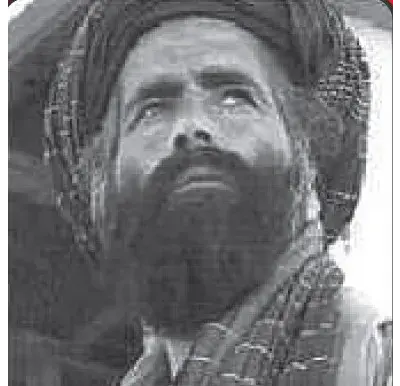
Mullah Mohammed Omar, widely known as Mullah Omar, was an Afghan mujahideen commander who led the Taliban, and founded the Islamic Emirate of Afghanistan in 1996.
