Jonathan Zittrain Quotes
The increasing legal pressure against archives has created anxieties among researchers, librarians, and journalists. They cite the need to protect sources who wish to make a record for posterity; procuring documents and interviews from those sources will be difficult if the fruits are only one subpoena away from disclosure.
Zittrain, Jonathan. The Future of the Internet--And How to Stop It. Yale University Press, 2008.


The main reason that the English or American Freedom of Information Act is not used so much by individuals is that the executive agencies make the process of obtaining documents very difficult and then when the government stonewalls, the requestor has to spend a great deal of time and often engage an attorney. The result is that few individuals can spend the time or money and the field consists mostly of media and non profit organizations which have staff and resources.


There has been a constant conflict between the government and the press regarding the right of a journalist to refuse to disclose his/her sources for a story or to reveal his/her notes or outtakes. Reporters would sometimes be subpoenaed and if they refused to testify or disclose the subpoenaed information, they could be held in contempt of court and fined, jailed or both. However, one of the major reasons reporters have been able to get information on the malfeasance and incompetence of government is that leakers and whistleblowers have been willing to provide information to the press is that they are confident that the press will not disclose the source. The courts have ruled that journalists have no special rights regarding subpoenas, so the outcome of the conflict depends on the political decision of the administration. For the 2nd Obama administration, this has his announcement that the Justice Department would not jail reporters who ignored subpoenas. However many proponents of a free press, do not want to depend on the decision of the Attorney General in office and want Congress to pass a Shield Law for journalists.


At the time there was no Secrecy & Classification System nor any laws enforcing secrecy or confidentiality. However there was no freedom of information laws of expectations even on the part of journalists. This was the first Freedom of Information policy of the American government. Some politicians were more open than others but there was no national, governmental before this. There were however leakers and whistleblowers though the terms were not in use. Note that Roosevelt herein created the first whistle blower protection—himself.


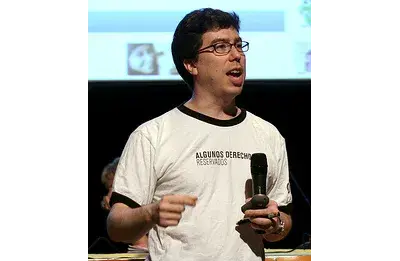
Jonathan L. Zittrain is an American professor of Internet law and the George Bemis Professor of International Law at Harvard Law School. He is also a professor at the Harvard Kennedy School, a professor of computer science at the Harvard School of Engineering and Applied Sciences, and co-founder and director of Harvard's Berkman Klein Center for Internet & Society. Previously, Zittrain was Professor of Internet Governance and Regulation at the Oxford Internet Institute of the University of Oxford and visiting professor at the New York University School of Law and Stanford Law School. He is the author of The Future of the Internet and How to Stop It, as well as co-editor of the books, Access Denied (MIT Press, 2008), Access Controlled (MIT Press, 2010), and Access Contested (MIT Press, 2011).
