Edwin Meese Quotes
I've been in several situations where police officers and district attorneys have had the cooperation of people in the news media without either endangering the reporter or compromising their sources.
Meese, Edwin. Press Briefing. United States Department of Justice, Washington, D.C., 1986.


There has been a constant conflict between the government and the press regarding the right of a journalist to refuse to disclose his/her sources for a story or to reveal his/her notes or outtakes. Reporters would sometimes be subpoenaed and if they refused to testify or disclose the subpoenaed information, they could be held in contempt of court and fined, jailed or both. However, one of the major reasons reporters have been able to get information on the malfeasance and incompetence of government is that leakers and whistleblowers have been willing to provide information to the press is that they are confident that the press will not disclose the source. The courts have ruled that journalists have no special rights regarding subpoenas, so the outcome of the conflict depends on the political decision of the administration. For the 2nd Obama administration, this has his announcement that the Justice Department would not jail reporters who ignored subpoenas. However many proponents of a free press, do not want to depend on the decision of the Attorney General in office and want Congress to pass a Shield Law for journalists.


He felt this was so important that it was worth being labeled “un-American” at various times.


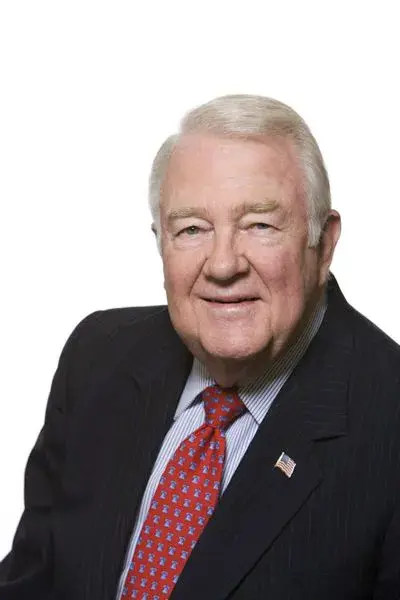
Edwin Meese III is an American attorney, law professor, author and member of the Republican Party who served in official capacities within the Ronald Reagan Gubernatorial Administration (1967–1974), the Reagan presidential transition team (1980–81) and the Reagan White House (1981–1985), eventually rising to hold the position of the 75th United States Attorney General (1985–1988), a position from which he resigned following the Wedtech scandal.
