Robert G. Ingersoll Quotes
The ideas of right and wrong change with the experience of the race, and this change is wrought by the gradual ascertaining of consequences - of results.
Ingersoll, Robert G. "Crimes Against Criminals." The Works of Robert G. Ingersoll, vol. 11, Dresden Publishing Co., 1902, p. 150.


One of the most enduring legal debates is whether the Founding Fathers intended the Constitution to be forever read and interpreted literally and with the values and knowledge of the 18th century or be adapted to the changes that would inevitable occur. Warren was a leading exponent of the latter view.


There had been a major labor strike in the textile mills of Lawrence. Ettor was one of the major strike leaders and strategists. The city authorities sided totally with the mill owners and used police and militia to try and break the strike. When one of the strikers was shot and killed (historians generally agree that the police had fired the shot), the authorities used the death to incapacitate the leadership of Ettor and two other “socialist” leaders who were professional strike organizers and leaders. The 3 were arrested and charged with murder, firing the shot that killed the striker. Ettor and the others were miles away at the time giving speeches to the strikers at another mill. None-the-less, they were arrested, jailed, and not even tried until after the strike was ended. The three were quickly acquitted. The jailing of the strike leaders backfired and made the strikers even more resolute. The laborers finally won the concessions, not to have their pay cut. The defendants went on to lead other strikes.

This quotation is noteworthy because he is one of the only Judeo-Christian theologians who hold that the ends justify the means. Even most politicians do not believe this.


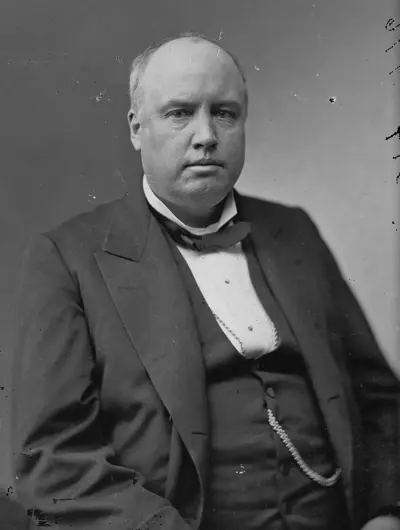
Robert Green "Bob" Ingersoll was an American lawyer, a Civil War veteran, political leader, and orator of the United States during the Golden Age of Free Thought, noted for his broad range of culture and his defense of agnosticism. He was nicknamed "The Great Agnostic". Ingersoll was considered to be the greatest orator and political thinker of his day, but his overt atheistic views curtailed his elected political career.
