Earl Warren Quotes
… evolving standards of decency … mark the progress of a maturing society
One of the most enduring legal debates is whether the Founding Fathers intended the Constitution to be forever read and interpreted literally and with the values and knowledge of the 18th century or be adapted to the changes that would inevitable occur. Warren was a leading exponent of the latter view.
Earl Warren, 1891-1974, {58189} Chief Justice, U.S. Supreme Court, Governor of California (Republican), Republican Vice Presidential Candidate (with Dewey), Trop v. Dulles
Sourced by: Eigen's Political and Historical Quotations

However, the Irish Republican Army would not allow anyone to tell the authorities what had happened. The sisters went public starting a scandal which put enormous pressure on the IRA for reform. The sisters were invited to meet with members of Congress and the President.

Ingersoll was considered to be the greatest orator and political thinker of his day, but his overt atheistic views curtailed his elected political career.


This quotation is an excellent statement of the argument of interpreting a constitution—in this case Wisconsin’s—in light of modernity or to only interpreted consistent with the original intent and mindset.


This is a remarkable insight into public health. By the late 20th century, most preventable death in America is a function of individual habits and choices: diet, dangerous driving, smoking, drinking and the like. Few physicians of Blackwell’s day realized this was coming.


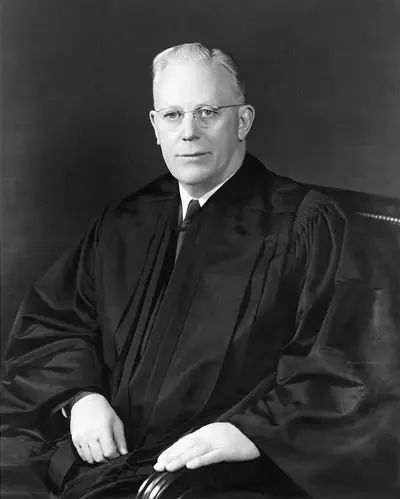
- Born: March 19, 1891
- Died: July 9, 1974
- Nationality: American
- Profession: Judge
Earl Warren was an American politician and jurist who served as 30th governor of California from 1943 to 1953 and Chief Justice of the United States from 1953 to 1969. The "Warren Court" presided over a major shift in American constitutional jurisprudence, which has been recognized by many as a "Constitutional Revolution" in the liberal direction, with Warren writing the majority opinions in landmark cases such as Brown v. Board of Education (1954), Reynolds v. Sims (1964), Miranda v. Arizona (1966) and Loving v. Virginia (1967). Warren also led the Warren Commission, a presidential commission that investigated the 1963 assassination of President John F. Kennedy. He is the last chief justice to have served in an elected office before entering the Supreme Court, and is generally considered to be one of the most influential Supreme Court justices and political leaders in the history of the United States.
