Ibrahim Babangida Quotes
The history of our country is not the history of any other country in the world which is either practicing advanced democracy or struggling to lay the foundation for democracy.
Babangida, Ibrahim. "Address to the Nation on the Annulment of the June 12 Presidential Election." 26 June 1993, Abuja. Broadcast.


Garfield reminded Americans of how radical and unusual the concept of democracy had been at the time of the adoption of The Constitution, and that the American Revolution was one of ideas as well as armies.


While this has been one of the great American principles of political philosophy, in reality we have on many occasions interfered when a people chose an enemy of the United States or made a choice of a government which would seize power and not allow any further free choices. However, from the time JFK made this statement to today, our foreign policy record has become much better on implementing this principle.


Lieber is best known because he was assigned by President Lincoln to study the then international laws of war and prepare a manual for the guidance of union troops in the Civil War. Lincoln then issued the document as a general order.


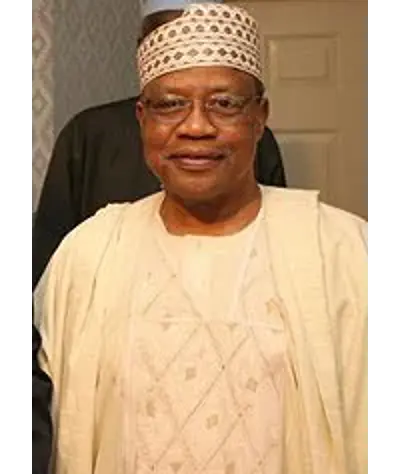
Ibrahim Badamasi Babangida GCFR popularly known as IBB; nicknamed, "Maradona" or "The Evil Genius", is a retired Nigerian Army general who ruled the Federal Republic of Nigeria from 27 August 1985 until his resignation in August 1993. He served as Chairman of the Armed Forces Ruling Council from 1985 to 1993 and Chief of Army Staff from 1984 to 1985; going on to orchestrate his seizure of power in a palace coup d'ètat against Muhammadu Buhari. He rose through the ranks of the Nigerian Army fighting in the Nigerian Civil War and at various times being involved in all the military coups in Nigeria, before advancing to the full-rank of a General and ultimately as Commander-in-Chief of the Armed Forces; and as an unelected President and military strongman from 1985 to 1993, ruling for an uninterrupted period of eight years. His years in power, colloquially known as the Babangida Era, are considered one of the most controversial in the military history of the country, and characterized by a burgeoning political culture of corruption in Nigeria, with Babangida and his regime estimated at least 12 billion dollars (23.9 billion today).
