Floyd Abrams Quotes
The government would be able to go to court with respect to newspaper articles, broadcast pieces and the like that they thought were bad or harmful or even against the government and try to block them.
Abrams, Floyd. Interview with Charlie Rose. Charlie Rose, PBS, 21 Apr. 2005.


Chairman of the Board of The Washington Post. The Attorney General had attempted to suppress information linking him to the Watergate conspiracy by threatening Washington Post staff. The story was run, and Mr. Mitchell was later convicted for his crimes in connection with Watergate.

Usually Jefferson was the strongest voice for rights with no loopholes. However, he wanted to have a slander exception as this quote shows. However, the issue is what happens if a government official or an agency believed that it has been falsely slandered? If Jefferson’s proposal was accepted completely, the government and officials could sue someone who published negative information that they thought was false. Our supreme court has limited the exception to private parties who were NOT “public figures” unless the publisher knew the information was false and proceeded anyway for malicious reasons.
England and most other countries do not have such an exception and the press is very timid about criticizing the government or officials lest they make a mistake .
The word “printer” had a slightly different meaning then. In Jefferson’s time the printer was also the publisher, Benjamin Franklin was known as a printer but he not only published material but wrote much of it himself. This was typical. So Jefferson is concerned with the rights of the printer, the publisher and the writer.


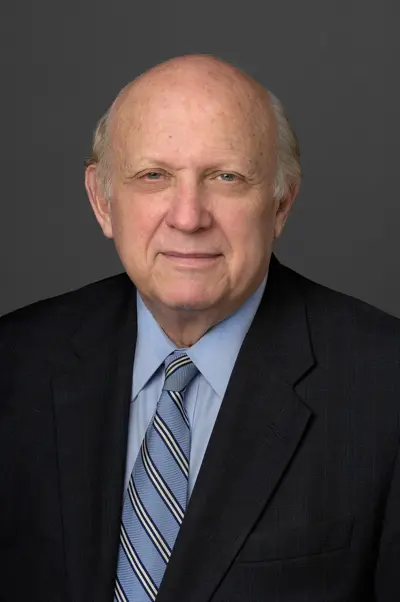
Floyd Abrams is an American attorney at Cahill Gordon & Reindel. He is an expert on constitutional law, and has argued 13 cases before the Supreme Court of the United States. Many of the arguments in briefs he has written have been adopted as United States Constitutional interpretative law as it relates to the First Amendment and free speech.
