Nat Hentoff Quotes
The [George W.] Bush administration would go into court on any kind of a case that they thought might embarrass them and would argue that it was a state secret and the case should not be continued.[Barack] Obama is doing the same thing, even though he promised not to.
Hentoff, Nat. Interview by Jim Meyers. Newsmax, Newsmax Media, 19 Jan. 2010.


He was criticizing the George W. Bush Administration of his own party.


Agree resigned from the CIA in protest to its political position.


Alberto Gonzalez, White House Counsel and later Attorney General who was forced to resign and David S. Addington, Counsel to the Vice President, had come up with a novel view of the powers of the presidency. They argued that since the President is the Commander in Chief, in a war situation or intelligence gathering thereto, has the Constitutional responsibility for that function, he need not obey any laws of Congress as in the conduct of the war Congress would be impinging on the Constitutional separation of powers which itself was prohibited by the Constitution. The argument did not find any significant legal support but for a while the George W. Bush White House behaved as if this were the law, despite the fact that even in the American Revolution and the War of 1812 Congress passed laws regulating the conduct of the armed forces as is provided for in other parts of the Constitution. Yet even Goldsmith would allow the President some powers that many think are unconstitutional and/or belong to Congress. See {32436}.

This remarkable quotation illustrated a CIA director who took the position that his agency should assassinate foreign leaders who are enemies without discussing the prospect or getting the specific permission of the President of the United States.


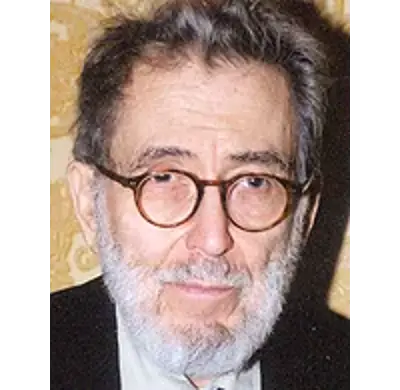
Nathan Irving Hentoff was an American historian, novelist, jazz and country music critic, and syndicated columnist for United Media. Hentoff was a columnist for The Village Voice from 1958 to 2009. Following his departure from The Village Voice, Hentoff became a senior fellow at the Cato Institute and continued writing his music column for The Wall Street Journal, which published his works until his death. He often wrote on First Amendment issues, vigorously defending the freedom of the press.
