Algernon Sidney Quotes
The general revolt of a Nation cannot be called a Rebellion.
Sidney, Algernon. Discourses Concerning Government. Printed by J. Darby, 1698, ch. 3, sec. 36.


There was no national uprising. Not a single Cuban came to assist the Bay of Pigs invaders, nor was there even one sabotage action or other revolutionary action anywhere in Cuba. The conviction of the CIA that Castro was hated by the Cubans and the overwhelming majority of Cubans would welcome an invasion was so completely wrong that it was stunning. The assurances the CIA planners had received that there would be an uprising came from Cuban anti-Castro émigrés who were being paid by the CIA to organize the invasion force. They would only continue to get paid if the American authorities felt that there was a very good chance of success so they turned out to have a serious conflict of interest. But the CIA planners had been hearing this from Cuban exiles not involved with the invasion and they had a strong bias that no communist government could be a popular one. It was a great illustration of the fact that experienced professional intelligence analysts and operatives are susceptible to self-delusion and confusing wishful thinking with reality.


In 1993 Mooshood Abiola was the apparent victor in the Nigerian presidential election, but the election was `nullified' by the previous President and military dictator, General Ibrahim Babangida. Abiola announced he would attempt to form a government anyway.


Vladimir Lenin. This galvanized the October Revolution which put the Bolsheviks in power ousting the Kerensky government.


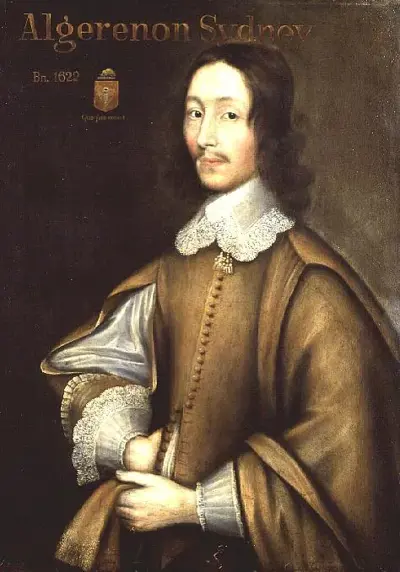
Algernon Sidney or Sydney was an English politician and member of the middle part of the Long Parliament. A republican political theorist, colonel, and commissioner of the trial of King Charles I of England, he opposed the king's execution. Sidney was later charged with plotting against Charles II, in part based on his most famous work, Discourses Concerning Government, which was used by the prosecution as a witness at his trial. He was executed for treason. After his death, Sidney was revered as a "Whig patriot–hero and martyr".
