Emily Greene Balch Quotes
The First World War, and especially the latest one, largely swept away what was left in Europe of feudalism and of feudal landlords, especially in Poland, Hungary, and the South East generally.
Balch, Emily Greene. "Toward Human Unity or Beyond Nationalism." Nobel Lectures, Peace 1926-1950, edited by Frederick W. Haberman, Elsevier Publishing Company, 1972, pp. 335-346.


A fief was an estate of land and people. The man who had the title to the fief was obligated to raise troops from his estates and lead then at the command of the King. Women, under English law could not inherit a fief—it went to the oldest son. However, once the military element of fiefdom was eliminated, Johnson saw no reason why women should no longer inherit feifs and the titles that went with them.


Cities operated on an entirely different plane than the rural countryside which was divided up and given to nobles and the peasants on the land were serfs—virtual slaves to the noble. Cities allowed more equality, opportunity, freedom, modernity, and education. However, serfs would vote with their feet and move into cities leaving the princes devoid of their surf labor. The Emperor tried to stave off this trend by preventing the cities from admitting the surfs who were otherwise generally welcome as they, like immigrants classically provided an excellent source of compliant, low cost labor. Ironically, there are third world countries who even in modern times are trying to restrict the immigration of peasants to the cities.


The Russian autocrat found it hard to believe that peasants and merchants could have any rights at all as they did in England. He faulted the female ruler, the great Queen Elizabeth I. By modern standards Elizabeth had awesome power and the English People very little, but Elizabeth was relatively restrained in her use of power and paid attention to the effect of affairs of state had on the people." Ivan the Terrible

These unfortunate characteristics of Germany at that time, produced the aggressive nation that started two world wars. Looking at Germany a century later, the country has changed radically—especially the three factors described in this quote. Germany has become very much like the rest of Western Europe and America.


Paine was totally wrong on this count. It is true that monarchy and aristocracy were never the same as they had been, but the American and French Revolutions were catalysts for the monarchs and aristocrats to reform. In a Darwinian sense, monarchy and aristocracy evolved, and the early members would hardly recognize the modern aristocracy of Britain and other European countries that still have them and the Constitutional monarchs of today have almost evolved into a new specie.

Armstrong was a Union military chaplain with the troops that had captured Petersburg, Virginia. Of particular interest in this quotation is his report on the attitude of the poor whites after the war had destroyed the economy of the area and reduced the former wealthy aristocrats to poverty.


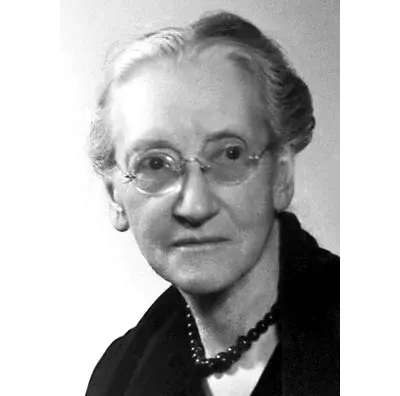
Emily Greene Balch was an American economist, sociologist and pacifist. Balch combined an academic career at Wellesley College with a long-standing interest in social issues such as poverty, child labor, and immigration, as well as settlement work to uplift poor immigrants and reduce juvenile delinquency.
