Andrew Tobias Quotes
The first life insurance societies where formed in England in the years between 1692 and 1720. In America, life insurance became available to the clergy through the Presbyterian Ministers Fund, founded in 1759 (still in existence), and the Episcopal Corporation, founded ten years later (subsequently merged).
Tobias, Andrew. The Invisible Bankers: Everything the Insurance Industry Never Wanted You to Know. Simon & Schuster, 1982.


Japan, then a militaristic power in the East had occupied and controlled Manchuria after the Russo-Japanese War. The League of Nations voted that Manchuria should be placed under international control until elections and independence can be arranged. The Japanese then had a rapidly growing population and Japan felt that the Japanese Islands were not sufficient to produce the raw materials, oil and agriculture needed to sustain a larger Japanese population. Therefore, the Japanese argued that they were entitled to grow and expand to nearby territories to provide for their nation’s needs. When the league of nations rejected the Japanese position, Japan walked out of the League of Nations. Japan would occupy part of China and Korea all leading to WWII. See {627075} for the foreign minister’s later assessment.


In 1672, the English trading company, the Company Of Royal Adventurers, rechartered itself changing it name to the Royal African Company to focus on the Slave Trade. By 1687 the company was given the exclusive right to trade between the Gold Coast and the British colonies in America. James, Duke of York, (later to be King James II, was interested in this company, and it agreed to supply the West Indies with three thousand slaves annually. in 1698, on account of the incessant clamor of English merchants, the trade was opened generally, and any vessel carrying the British flag was, by act of Parliament, permitted to engage in it on payment of a duty.


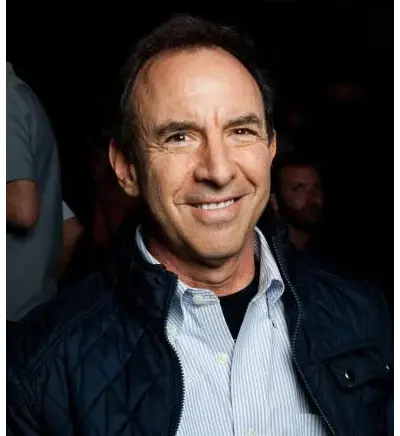
Andrew Tobias is an American writer. He has written extensively about investment, as well as politics, insurance, and other topics. He is also known for writing The Best Little Boy in the World, a 1973 memoir – originally pseudonymous – about life as a gay man. From 1999 until 2017 he was treasurer of the Democratic National Committee.
