Mercy Otis Warren Quotes
The extraordinary exertions of the colonies, in cooperation with British measures, against the French, in the late war, were acknowledged by the British parliament to be more than adequate to their ability.
Warren, Mercy Otis. History of the Rise, Progress and Termination of the American Revolution. Manning and Loring, 1805.


The automobile assembly lines of Detroit, had been planned to be converted to factories to produce a huge supply of planes, tanks, trucks and guns which were instrumental in winning the Second World War.


Women were needed in industry and the military. See {584783}.


Like many Americans who thought it bad policy to go to war in Iraq in the early 21st century and then became ardent military supporters to win the war rather than lose, Scott maintained that victory in WWI was crucial even though he had opposed entry into the war.
Referring to women in the United States armed forces:


The Russians had lost over 20 million of its people to German WWII hostilities. They wanted a vengeance and were willing to take the casualties that came with the invasion of Berlin and many other key cities that were heavily defended. Eisenhower and Churchill realized that this would give the Russians a very dominant military occupation of Eastern Europe and Eastern Germany. However, they did not want to take the huge casualties of all these battles. Politically, Churchill and American leaders had to explain to their right wings why Russia was involved as an equal partner in making occupation decisions about Germany.


This quotation gives us a concept of the WWII home front effort where virtually everyone in American society was personally involved on a daily basis in the war. See also {637437}. This was so dramatically different from the home fronts for the wars in Afghanistan and Iraq where most of the American public had no direct contact with the war effort and was not called upon or even needed to do anything.
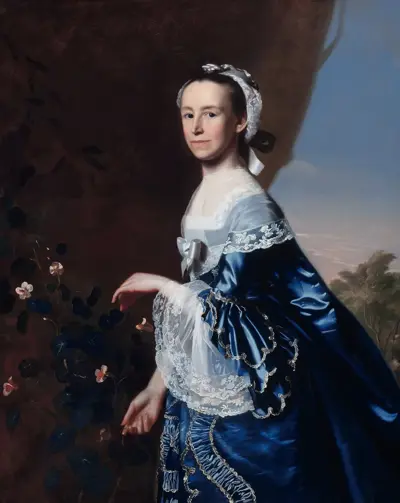
Mercy Otis Warren was a poet, playwright and pamphleteer during the American Revolution. During the years before the American Revolution, Warren published poems and plays that attacked royal authority in Massachusetts and urged colonists to resist British infringements on colonial rights and liberties. She was married to James Warren, who was likewise heavily active in the independence movement.
