Robert E. Rubin Quotes
The debt ceiling should never be part of the budget negotiation process.
An unusual feature of the American governmental budgeting process is that Congress has passed a law limiting the amount of debt that the United States can maintain. When there is deficit financing, the law limiting the debt has to be changed periodically as the nation approaches the debt limit. Partisan politicians often take advantage of the fact that the debt limit must be passed and hold the passage hostage to obtaining something they want. The reality is that when Congress passed the previous budgets, they determined what the debt would have to be later. So they have already voted to exceed the budget ceiling. But the requirement of doing it in a second forum allows more pressure to be placed on the administration and the other party’s Congress members. While this process is ongoing, many people in the world are worried and often terrorized by the prospect of the debt ceiling not being passed, in which case the United States would have to default on its obligations—not pay interest, contractors, retirements, salaries, etc. Hence the admonition that the debt ceiling should never be a part of the budget negotiating process by most responsible statesmen and women. But the mist partisan of the politicians want to play politics with the debt ceiling precisely because the stakes are so high and they can get both headlines and leverage.
Robert E. Rubin, Secretary of the Treasury (Democrat), Assistant to the President for Economic Affairs (Democrat), CNN, The Global Public Square, April 24, 2011
Sourced by: Eigen's Political and Historical Quotations


In 1964 the treasury secretary asked the president how to sell the proposed budget to Congress:

After many years of deficit financing, Clinton finally produced a balanced budget and together with his Secretary, of the Treasury, Robert Rubin, actually developed an economy which was producing a huge annual surplus that would soon eliminate the national debt. However, when George W. Bush replaced Clinton after two terms, Bush was unable to manage the budget any better than the other aspects of the Presidency. He cut taxes dramatically and even after it was clear that the Clinton surplus was squandered, he continued tax reductions and even increased them while increasing government spending creating the biggest government in history and went from our largest surplus to our largest deficit in his 8 years.


After the Stock Market crash of 1929, Republican politicians promised "recovery is right around the corner." But La Guardia disagreed:


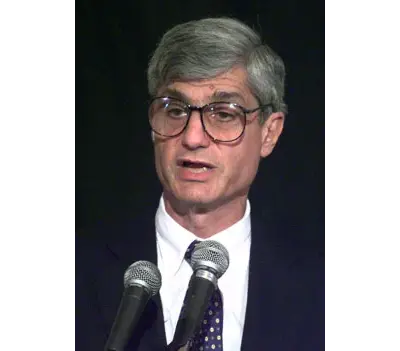
Robert Edward Rubin is an American retired banking executive, lawyer, and former U.S. presidential cabinet member. He served as the 70th United States Secretary of the Treasury during the Clinton administration. Before his government service, he spent 26 years at Goldman Sachs, eventually serving as a member of the board and co-chairman from 1990 to 1992.
