William Graham Sumner Quotes
The criminal law needs to be improved to meet new forms of crime, but to denounce financial devices which are useful and legitimate because use is made of them for fraud, is ridiculous and unworthy of the age in which we live.
Sumner, William Graham. What Social Classes Owe to Each Other. Harper & Brothers, 1883, pp. 53-54.


At the time of this interview there had been a decade of business fraud at many different levels. The regulatory agencies supposedly responsible for the regulation had neither the staff or the political will to even enforce the laws and regulations then in existence and there were many loopholes in those. Many business interests opposed all regulation and strict enforcement as a diminution of the health of the economy. Others, like Greenspan, saw fraud as corrupting the markets themselves and therefore the usual capitalistic economic competitive forces that would control business do not operate with extensive fraud.
Greenspan was not the amoral fool that this quotation makes him seem. Despite the fact that he was the most important financial officer of the country, he had an ideological faith that a free market was self-corrective in a democracy. The financial industry would police itself he believed. He also trusted the self interest of the financial corporations to restrain them from getting too greedy -- {637989}. He and many others were wrong and most Americans paid the price.


The then attorney general had begun a series of investigation which discovered that most of the major Wall Street brokerage houses were engaged in systematic frauds to cheat small investors. One dramatic fraud he uncovered was that the research expert analysts of major firms would recommend the stock of businesses that their firm was doing investment banking for even when they knew that the companies were not doing well or were even in deep financial trouble. See {627544}.

Congress had passed special legislation making crimes at the Mint capital crimes.

Barry Bonds was a star professional baseball player whose accomplishments were aided by taking illegal drugs. He lied about his use of drugs, and the Department made a very large effort over years to finally prosecute him. However during that time there were almost no prosecutions of the thousands of bankers and financiers who had lied, cheated, forged legal documents and in the process almost permanently ruined the American economy—the Great Recession of 2008. The Justice Department claimed that white collar cases are very complex and take longer to prepare prosecutions. Critics claimed that there are so many law breakers, that the government does not want to prosecute all the felons, but just go after a few, and this is easier if time has gone by and public anger has receded or been forgotten.

In the economic meltdown of 2008 and the aftermath, there were so many criminal violations of law in the financial industry that even the Democratic administration of Barack Obama chose not to jail the violators but to levy some large token fines albeit ones which were very affordable for the institutions who had to pay them—in many cases paying them with money made as a result of profits on no-interest money they received in bailouts after the 2008 Meltdown.


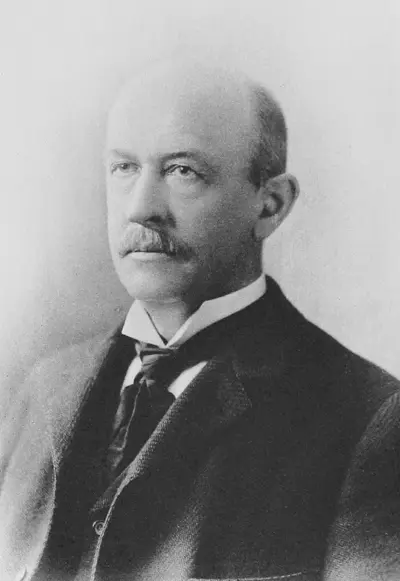
William Graham Sumner was a classical liberal American social scientist. He taught social sciences at Yale, where he held the nation's first professorship in sociology. He was one of the most influential teachers at Yale or any other major school. Sumner wrote widely within the social sciences, with numerous books and essays on American history, economic history, political theory, sociology, and anthropology. He supported laissez-faire economics, free markets, and the gold standard. He adopted the term "ethnocentrism" to identify the roots of imperialism, which he strongly opposed, and as a spokesman against it he was in favor of the "forgotten man" of the middle class, a term he coined. He had a long-term influence on conservatism in the United States.
