Levellers Quotes
The common People are filled with good words from Pulpits and Councel Tables, but no good Deeds; For they wait and wait for good, and for deliverances, but none comes; While they wait for liberty, behold greater bondage comes insteed of it, and burdens, oppressions, taskmasters, from Sessions, Lawyers, Bayliffs of Hundreds, Committees, Impropriators, Clerks of Peace, and Courts of Justice, so called, does whip the People by old Popish weather- beaten Laws, that were excommunicate long ago by Covenants, Oaths, and Ordinances; but as yet are not cast out, but rather taken in again, to be standing pricks in our eys, and thorns in our side
Levellers, 17th Century, English Political Reform Movement, The True Levellers Standard Advanced, April 20, 1649
Sourced by: Eigen's Political and Historical Quotations


Iturbide, known also as Agustin I, was the first Emperor of Mexico who was executed by a firing squad.


Some Indians were engaged in a massive program of non-violent passive resistance, but were brutally beaten. Even the Viceroy was outraged. The quotation illustrates the limited power that even the Viceroy of India had as there was a bureaucratic, decentralized government in each state of India which reported to its own administrators and legislatures.
The Center is in Holland. Chouket is Tunisian


Ingersoll was considered to be the greatest orator and political thinker of his day, but his overt atheistic views curtailed his elected political career.


His public written criticism of the King and government was unheard of at the time. See {621993} for the consequence.

Mormons were not only discriminated against but frequently robbed, murdered and ethnically cleansed from different parts of the country. In general the Federal Government did little or nothing regarding the plight of the Mormons.
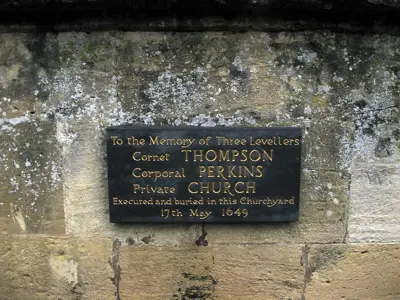
The Levellers were a political movement during the English Civil War (1642–1651) committed to popular sovereignty, extended suffrage, equality before the law and religious tolerance. The hallmark of Leveller thought was its populism, as shown by its emphasis on equal natural rights, and their practice of reaching the public through pamphlets, petitions and vocal appeals to the crowd.
