Aeschylus Quotes
The burning gaze of a young woman, such as hath tasted man, shall not escape me; for I have a spirit keen to mark these things.
Aeschylus. Fragments. Translated by Herbert Weir Smyth, Harvard University Press, 1926, Frag. 243.


The memo was in reaction to the efforts of Phoebe W. Couzins to enter the law school of the university. Two years later, Washington University of St. Louis became the first university in America to adopt a policy allowing female students.
This quotation is an example of how even sophisticated institutions and leaders were plagued by various stereotypes. Dean Sperry as well as many other members of the clergy actually believed that women would not go to divinity school because they were interested in the theology but because they were looking to marry a minister. When the dean told the trustees that he had “no wisdom on this matter” is was one of the great understatements in the history of quotations. What is more ironic is that the Dean was considered very liberal having admitted Catholics, Nazarenes, and Adventists.


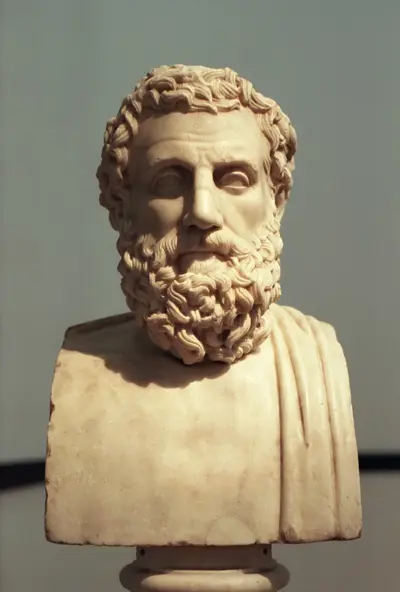
Aeschylus (UK: /ˈiːskɪləs/, US: /ˈɛskɪləs/; Greek: Αἰσχύλος Aiskhylos, pronounced [ai̯s.kʰý.los]; c. 525/524 – c. 456/455 BC) was an ancient Greek author of Greek tragedy, and is often described as the father of tragedy. Academics' knowledge of the genre begins with his work, and understanding of earlier Greek tragedy is largely based on inferences made from reading his surviving plays. According to Aristotle, he expanded the number of characters in the theatre and allowed conflict among them. Before this, characters interacted only with the chorus.
