James Harrington Quotes
The balance of a commonwealth that is equal is of such nature that whatever falleth into her empire must fall equally.
James Harrington, 1611-1677, English Writer, The Commonwealth of Oceana
Sourced by: Eigen's Political and Historical Quotations


The power structure of England and the English administrators of South Africa were strong advocates of racial equality at the beginning of the 19th century. They insisted on equal administration of law. However the Boer white population could think of nothing more absurd. In a sense the Boers were much like the Southern Whites at the same time. The South African government however could not enforce its equality policies in the rural area – the majority of South Africa at the time. When democracy and self rule came to South Africa, the racially moderating force of the English was minimized and the majority of South Africans wanted a racially segregated society. Apartheid resulted.


Jackson was a great champion of equality and equal rights, but for whites only. He had no problem with Negro Slavery and had a major bias against Indians. He was the only U. S President to refuse to obey a decision of the Supreme Court when he forced the removal of the Cherokee Indians from their lands and forced them to the Oklahoma Territory.


The Prime Minister had begun his career as a proponent of apartheid, but by 1990 had reversed course.


The function of government is to


Most politicians at the time agreed with this statement. In the next 25 years, the economic system grew less fair and when government officials tried to come up with remedies, they sublimated fairness, to economic recovery, and America went through a phase where fairness was far less important then it traditionally had been.


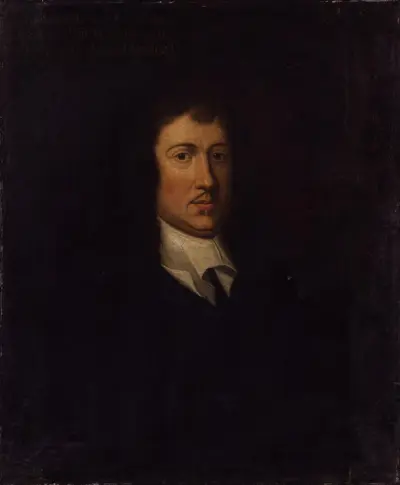
James Harrington (or Harington) was an English political theorist of classical republicanism. He is best known for his controversial publication The Commonwealth of Oceana (1656). This work was an exposition of an ideal constitution, a utopia, designed to facilitate the development of the English republic established after the regicide, the execution of Charles I in 1649.
