Joseph Smith Jr. Quotes
The aspirations and expectations of a virtuous people, environed with so wise, so liberal, so deep, so broad, and so high a charter of equal rights as appears in said Constitution, ought to be treated by those to whom the administration of the laws is entrusted with as much sanctity as the prayers of the Saints are treated in heaven, that love, confidence, and union, like the sun, moon, and stars, should bear witness.
Smith, Joseph. History of the Church of Jesus Christ of Latter-Day Saints. Vol. 3, Deseret News, 1905, p. 304.

At the time America was relatively weak militarily and a minor, but growing nation in the world. As the United States grew stronger, economically and militarily, foreign policy became more internationally oriented and assertive. 25 years after this speech, the United States invaded Mexico and ended up with what are now a few of our states. Abraham Lincoln and others objected and argued for the foreign policy of John Quincy Adams, but America began a new phase in foreign policy—one which markedly differed from that of the Founding Fathers and early Americans.


This was the first major civil rights speech. He had previously in his political career tread carefully in the civil rights arena. The Southerners had disproportionate control over the Congressional committee chairmanships and they could hold up his entire legislative agenda. JFK’s father was a right wing fascist who supported Hitler earlier and always advised against pushing civil rights.


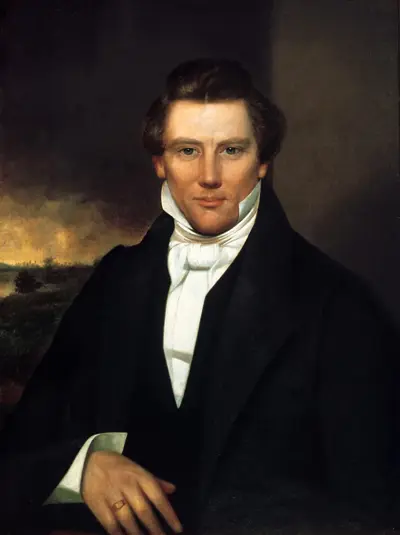
Joseph Smith, Jr. was an American religious leader and founder of Mormonism and the Latter Day Saint movement. When he was twenty-four, Smith published the Book of Mormon. By the time of his death fourteen years later, he had attracted tens of thousands of followers and founded a religious culture that continues to the present.
