George Mason Quotes
That government is, or ought to be instituted for the common benefit, protection, and security of the people, nation, or community; ... and that when any government shall be found inadequate or contrary to these purposes, a majority of the community hath an indubitable, unalienable, and undefeasible right to reform, alter or abolish it, in such manner as shall be judged most conducive to the public weal.
George Mason, 1725-1792, Member, Virginia & Federal Constitutional Conventions, Virginia Bill of Rights, III, June 12, 1776
Sourced by: Eigen's Political and Historical Quotations

The Republicans had broken off from the Whig Party and started a new one.

1st Earl of Beaconsfield

See Charles James Fox, John Milton, Jeremy Bentham, Grover Cleveland, Henry Clay, Benjamin Disraeli and Woodrow Wilson for similar expressions of this idea.


Honore Gabriel Victor Requiti
1st Earl of Beaconsfield


He and Thomas Jefferson were the two most vocal propononents of this view amongst the Founding Fathers.


Debs had unconstitutionally been arrested and jailed for opposing American entry into World War I. He was later pardoned by President Warren G. Harding.

Harding, not the most historically knowledgeable of American Presidents, had forgotten the revolutionary origin of the United States or its drastically experimental nature. It was the fear of Communism and the Russian Revolution that gave revolution a bad name at the time.


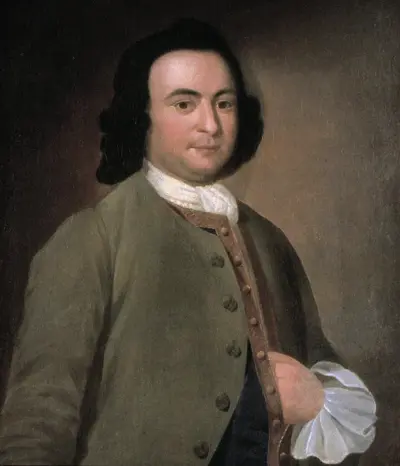
George Mason IV was an American planter, politician and delegate to the U.S. Constitutional Convention of 1787, one of three delegates who refused to sign the Constitution. His writings, including substantial portions of the Fairfax Resolves of 1774, the Virginia Declaration of Rights of 1776, and his Objections to this Constitution of Government (1787) opposing ratification, have exercised a significant influence on American political thought and events. The Virginia Declaration of Rights, which Mason principally authored, served as a basis for the United States Bill of Rights, a document of which he has been deemed a father.
