Potter Stewart Quotes
So far as the Constitution goes .. the press is free to do battle against secrecy and deception in government. But the press cannot expect from the Constitution that they will succeed…. The Constitution itself is neither a Freedom of Information Act or an Official Secrets Act.
Potter Stewart, 1915-1985, U. S. Supreme Court Justice (Republican), Quoted in New York Times Magazine March 25, 2007
Sourced by: Eigen's Political and Historical Quotations


The evils of the time were even worse than in modern times. Most newspapers, journals, and periodicals were in 1835 actually owned and operated by political parties or people totally identified with political parties. In modern times, there are publications and blogs which are controlled by political forces, but most are not.

At the time there was no Secrecy & Classification System nor any laws enforcing secrecy or confidentiality. However there was no freedom of information laws of expectations even on the part of journalists. This was the first Freedom of Information policy of the American government. Some politicians were more open than others but there was no national, governmental before this. There were however leakers and whistleblowers though the terms were not in use. Note that Roosevelt herein created the first whistle blower protection—himself.


He was commenting on the new Donald Trump's attacks onthe media.


Who does and does not get parole often depends more on politics and political contributions than on any issue of merit. Keeping all the records secret and the meetings closed allows much of this to happen. In Georgia, the politicians are so desperate to be sure that no one can determine the truth about parole decisions that they have passed a law that even the highest judges of the state cannot subpoena parole board records even if they are material and necessary for criminal or civil trials.
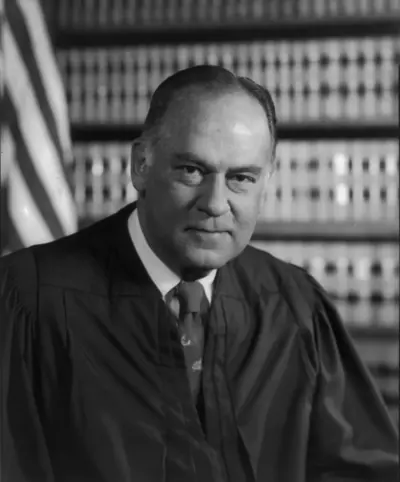
Potter Stewart was an American lawyer and judge who served as an Associate Justice of the United States Supreme Court from 1958 to 1981. During his tenure, he made, among other areas, major contributions to criminal justice reform, civil rights, access to the courts, and Fourth Amendment jurisprudence.
